
What is financial infrastructure?
Financial infrastructure is the systems, rules and institutions that process, clear, settle and record payments and trades. It includes payment systems, central counterparties, central securities depositories, securities settlement systems and trade repositories. A bank's internal technology connects to this shared layer but is not itself a market infrastructure.
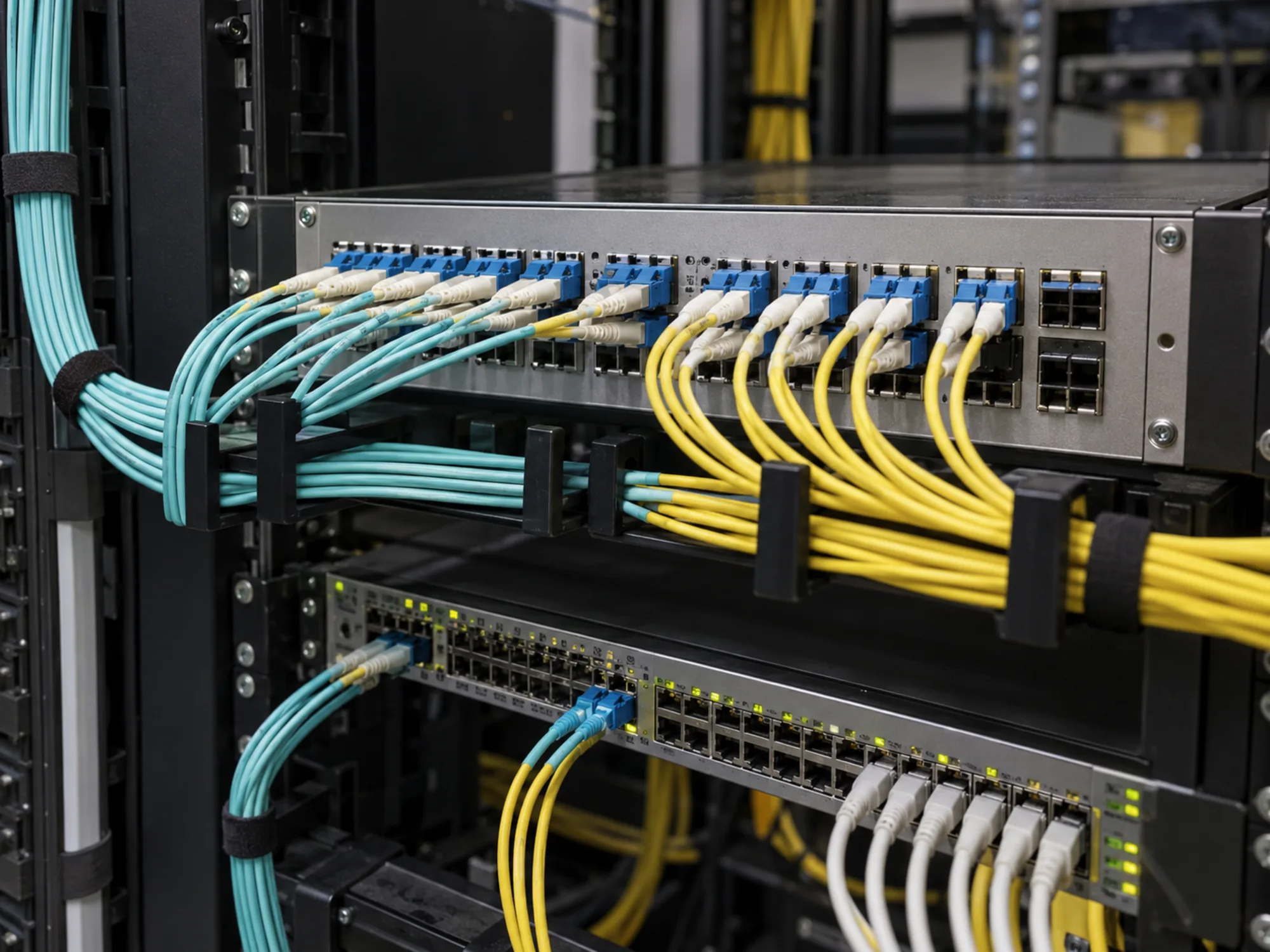
Financial infrastructure in brief
| Term | financial infrastructure |
|---|---|
| Meaning | Financial infrastructure is the systems, rules and institutions that process, clear, settle and record payments and trades. It includes payment systems, central counterparties, central securities depositories, securities settlement systems and trade repositories. A bank's internal technology connects to this shared layer but is not itself a market infrastructure. |
| Bank use | The distinction between shared infrastructure and a core banking system prevents architecture errors. T2, T2S and TIPS connect institutions and settle in central bank money. A core system records one bank's customer accounts. Interfaces carry instructions and confirmations between the two. Examples of financial infrastructure become clearer when the transaction path is mapped from initiation to the final ledger entry. |
| Main risk | Interdependence is the central operational risk. An outage at a settlement service can leave participants without expected liquidity even when their own applications still run. Recovery therefore covers messages already sent, transactions already completed and mismatches between systems. The Principles for Financial Market Infrastructures set international expectations for governance, credit, liquidity and operational risk. |
| Rule set | The BIS and IOSCO principles cover five FMI categories. In the euro area, the ECB operates TARGET Services and the national central banks connect participants. DORA applies to the ICT risk of banks and many infrastructure operators, while sector rules govern settlement finality and central counterparties. |
| Detailed page | Detailed guide |
How does financial infrastructure work?
Financial infrastructure is the systems, rules and institutions that process, clear, settle and record payments and trades. It includes payment systems, central counterparties, central securities depositories, securities settlement systems and trade repositories. A bank's internal technology connects to this shared layer but is not itself a market infrastructure.
A payment or securities instruction moves through several records. Clearing establishes what each participant owes. Settlement transfers the money or asset and gives the transaction finality. Reconciliation then compares the external confirmation with the books of each bank or broker. The World Bank includes payment, securities settlement, credit and digital financial services in the broader field.
Why does financial infrastructure matter to banks?
The distinction between shared infrastructure and a core banking system prevents architecture errors. T2, T2S and TIPS connect institutions and settle in central bank money. A core system records one bank's customer accounts. Interfaces carry instructions and confirmations between the two. Examples of financial infrastructure become clearer when the transaction path is mapped from initiation to the final ledger entry.
What risks and design choices come with financial infrastructure?
Interdependence is the central operational risk. An outage at a settlement service can leave participants without expected liquidity even when their own applications still run. Recovery therefore covers messages already sent, transactions already completed and mismatches between systems. The Principles for Financial Market Infrastructures set international expectations for governance, credit, liquidity and operational risk.
Which rules and standards apply to financial infrastructure?
The BIS and IOSCO principles cover five FMI categories. In the euro area, the ECB operates TARGET Services and the national central banks connect participants. DORA applies to the ICT risk of banks and many infrastructure operators, while sector rules govern settlement finality and central counterparties.
Financial infrastructure in Germany, Austria and Switzerland
In Germany the Bundesbank oversees payment and settlement systems with the ECB, while BaFin supervises regulated firms. Austria's OeNB and FMA divide central-bank and financial-supervision tasks. In Switzerland the SNB oversees systemically important FMIs and FINMA supervises institutions. Frankfurt hosts the ECB, Bundesbank, Deutsche Börse, Eurex Clearing and Clearstream, placing several layers of the transaction chain in one financial center.
About Finance Loop: financial infrastructure
Finance Loop brings together bank technology, payments, capital markets and supervisory professionals who work on financial infrastructure. In Frankfurt, technical decisions meet the systems of the ECB, Bundesbank, Deutsche Börse and the banks based there.
The detailed page on financial infrastructure and Finance Loop events connect the definition with financial-sector projects and practitioners.