
Agent-ready websites in Frankfurt
An agent-ready website makes service information readable and useful for people and software acting on a user's instructions. Clear descriptions and accessible navigation help a visitor or browser agent identify an offer and follow the intended inquiry path, while the website owner defines which actions are permitted.
Preparing a website starts with the tasks customers need to complete and the information required for those tasks. A platform review examines whether the current publishing system can support those requirements, including content updates and working forms, before deciding whether a relaunch or a more limited change is appropriate.
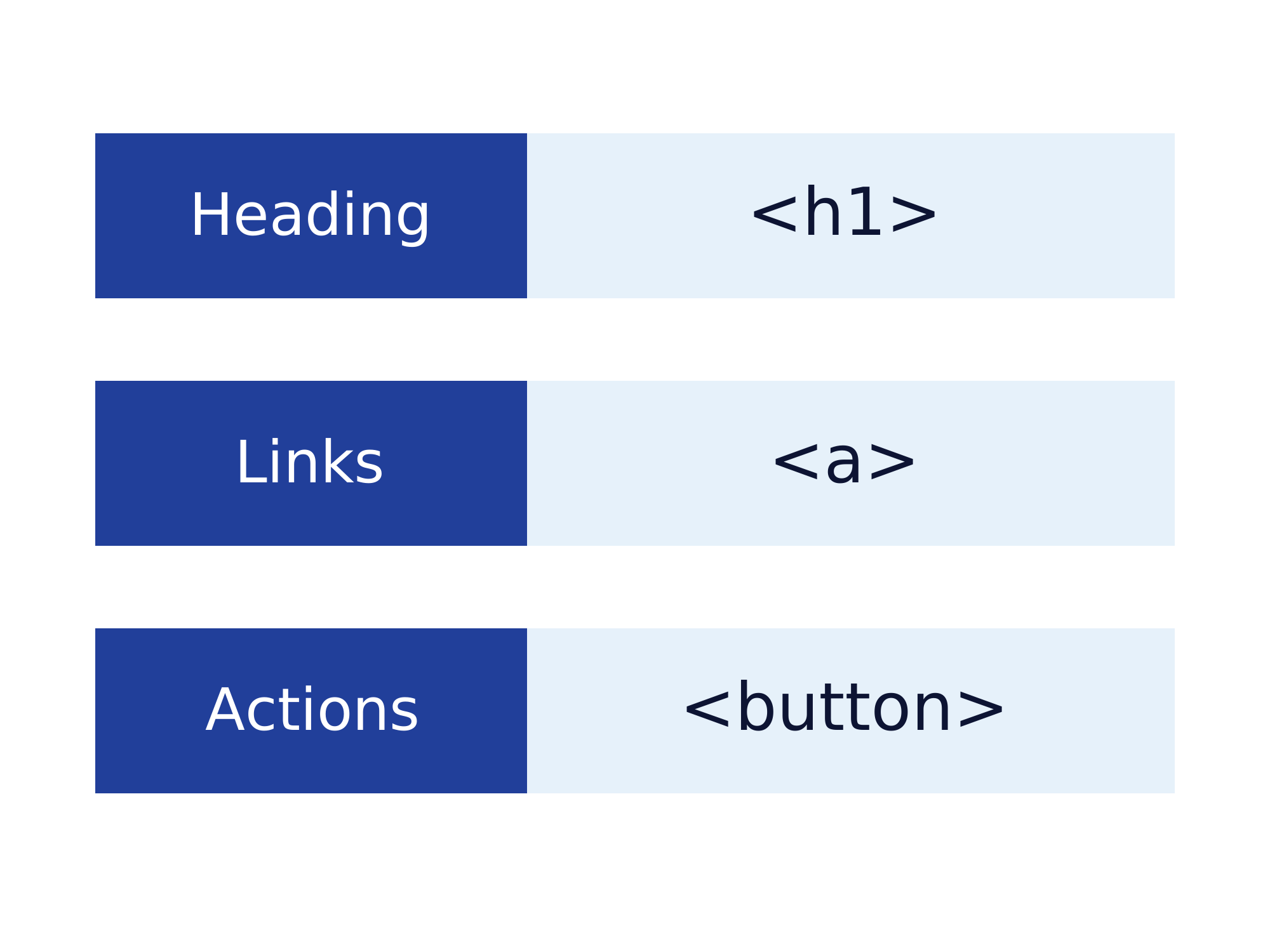
Service information and permitted actions
A service inventory records what the business provides, who the service addresses and how a customer can request it. Important facts belong in readable text with descriptive links, so the inquiry path does not depend on interpreting a promotional image. The content owner checks whether published descriptions still match the actual offer.
Reading information, submitting a form and changing stored content are different capabilities with different permissions. A project brief should identify each intended action and the approval needed before a consequential change. A readable service description alone does not establish that an external agent can edit the website or complete a transaction.
WordPress migration and platform choice
A WordPress migration can mean moving hosting, replacing the publishing system or rebuilding the public website. Buyers should specify which change is needed before comparing proposals for migration services. The inventory should cover existing URLs and content, together with forms and the editorial work that employees must continue after launch.
A CMS-free implementation is one possible target when the agreed publishing process can support that choice. The decision should account for who approves updates, how changes reach production and how an earlier version can be restored. Teams should test a representative content update before accepting the proposed replacement platform.
Keep old URLs connected to useful content
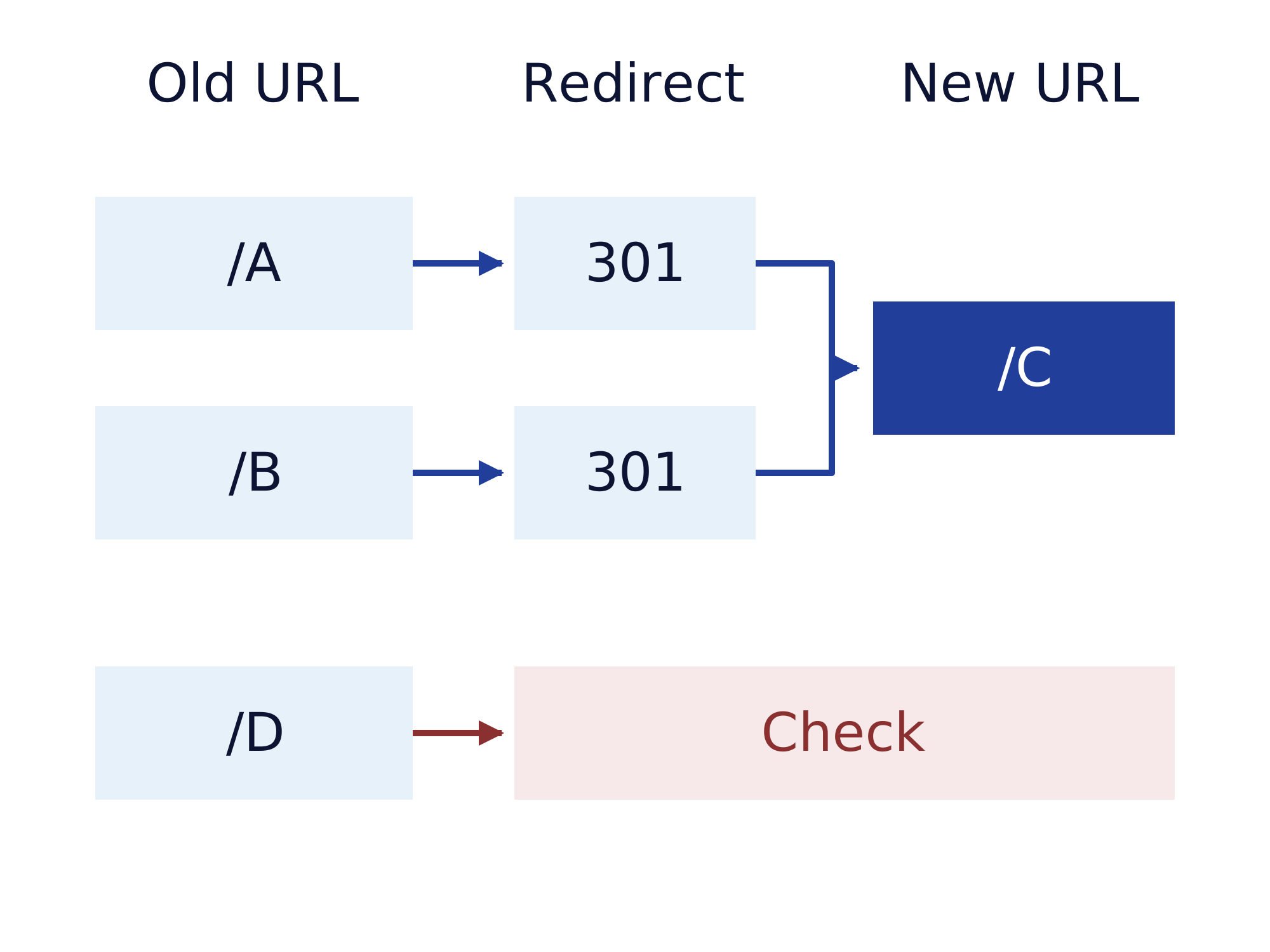
A URL map links each existing address to the corresponding content after migration. When an address changes permanently, Google recommends direct server-side redirects to the relevant destination, with internal links updated to the new URLs. Sending unrelated old pages to the homepage can confuse users and be treated as a soft 404 error.
Acceptance checks should follow important old links through to the intended new content and verify the final response. The project team should also review indexing settings and the new sitemap before release. A documented rollback procedure gives the responsible operator a defined response when a critical migration test fails.
Test forms, publishing and handover
A useful acceptance case starts with a customer finding the correct service and reaching the contact form. The test then checks required fields, error messages and confirmation before verifying that the request reaches the responsible person or system. A successful screen message should be checked against actual delivery to the intended destination.
The handover should include content and URL mappings, test results and instructions for ordinary publishing tasks. Code and hosting documentation should identify the owner of subsequent updates and any remaining issues. Teams in Frankfurt and Rhine-Main can use the same acceptance cases when comparing remote delivery with an agreed on-site assignment.
Website design in Frankfurt, Wiesbaden and Darmstadt
A company commissioning website design in Frankfurt should describe the service customers need to find and the action they should complete. The same briefing helps teams in Wiesbaden and Darmstadt compare a new website with improvements to an existing one. For an agent-ready website, the brief should include a readable service description and a complete inquiry that a person or permitted browser agent can follow.
Regional content should explain the actual delivery area and any conditions for an on-site appointment. A business address and a service area communicate different facts, so both need accurate wording. Buyers should also name the employee who approves service descriptions and checks whether inquiries reach the correct regional team.
Website projects for teams in Hamburg and Munich
Companies comparing website design in Hamburg or Munich can organize a project around shared review sessions and a testable release. The brief should identify who supplies content, who approves the design and who accepts the completed customer tasks. Those decisions also help a Frankfurt provider estimate which work can happen remotely and whether an on-site meeting is needed.
Before choosing an offer, buyers should separate the initial website work from hosting and later content changes. A practical handover includes an ordinary publishing task completed by the person who will maintain the site. Gateflow can discuss these requirements within a Germany-wide project, with delivery arrangements agreed for the assignment.
Gateflow as one provider in Frankfurt
Gateflow is a Frankfurt provider that reviews content, URLs and publishing needs before selecting website changes. The Gateflow website service covers readable pages and tested inquiry paths, with platform migration considered when the existing setup prevents the agreed result. Gateflow has built CMS-free websites, while direct tool access for third-party agents remains planned work.
Gateflow can scope projects across Germany, with remote or on-site delivery depending on the assignment. Buyers can request a review of the current site and specify the service information and user tasks that need improvement. Gateflow hands over content and URL mappings, test results and publishing instructions alongside code and hosting documentation.
Does an agent-ready website require a new CMS?
The platform decision depends on the existing content model and the tasks that the website must support. A current CMS may already allow readable content and reliable inquiries after targeted changes. A replacement should therefore be justified by a tested requirement and an agreed publishing process, with migration risks included in the decision.
What determines the migration scope and cost?
The scope depends on the content to retain and the functions that must continue working after the move. Buyers should identify language versions, integrations and publishing responsibilities before asking for an estimate. The proposal should separate implementation from acceptance testing and later maintenance, so the team can compare the same responsibilities across offers.
Website projects and Finance Loop
Finance Loop is a professional network for emerging technologies in finance, where professionals discuss the business work needed to introduce those technologies. Finance Loop includes Gateflow among participating providers, while website contracts and acceptance criteria remain matters for the customer and the selected provider.