
AI quotation drafts
AI quotation drafting turns a customer request into a proposed commercial document using approved company information. A language model can interpret the requested work and prepare wording, while the business software supplies catalog items and prices. The result remains a draft that someone checks before committing the company to a delivery.
Small service businesses often repeat this work across email and sales software. A useful workflow carries the original request into the review, shows unanswered questions and preserves the price source behind each proposed item. That makes an incomplete request visible before a salesperson sends an offer with assumptions the customer never confirmed.
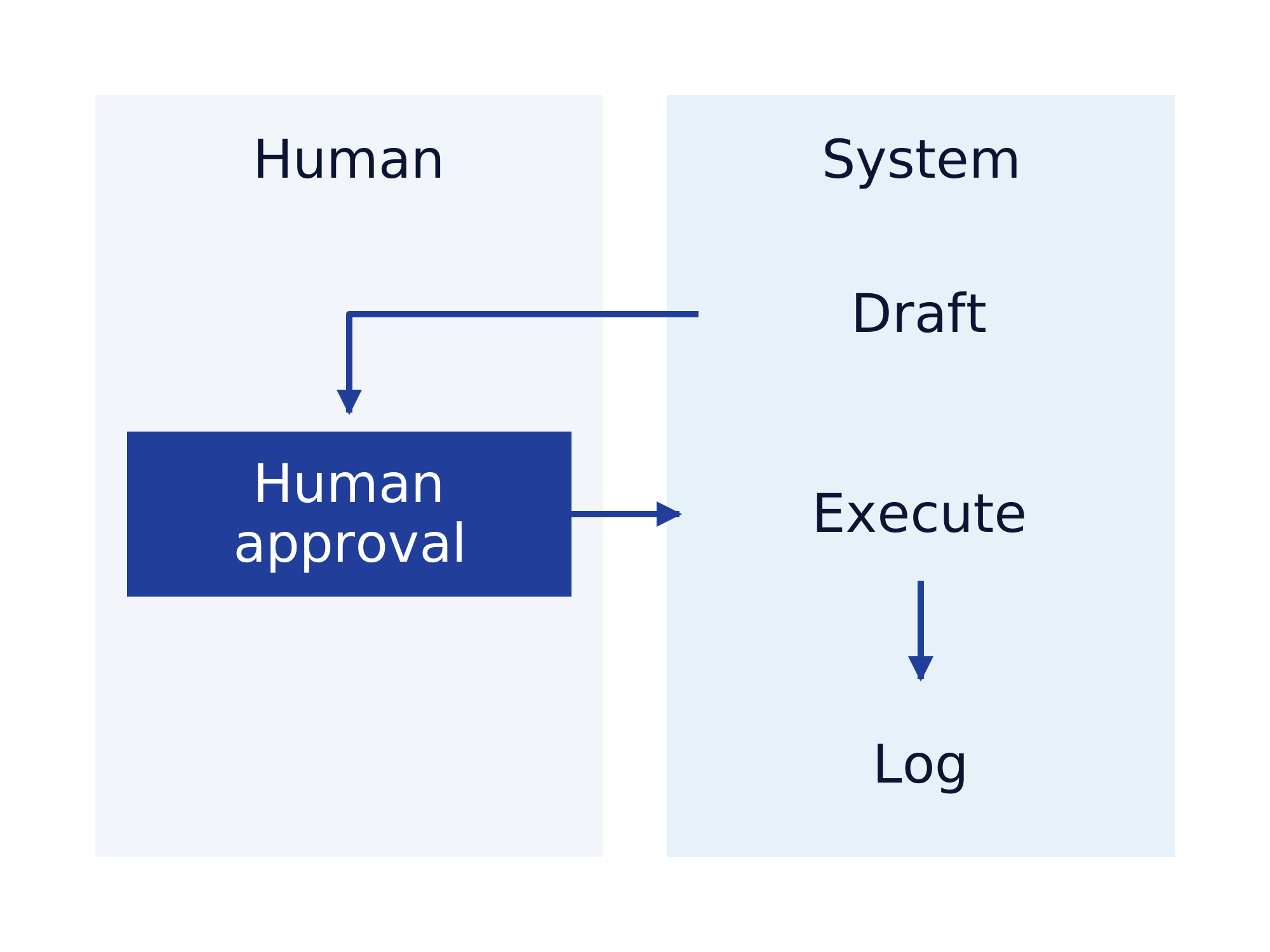
Establish the information behind each quotation
Begin with a small set of representative requests and the corresponding approved quotations. Identify which details come from the customer and which come from an internal service catalog. Record the units used for quantities, the person allowed to change prices and the information required before preparing an item. An unclear request should return to the responsible person with a specific question.
Keep the source message beside the proposed scope during review. For example, a request for ongoing support needs clarification about the included systems and working hours before a monthly item is selected. This is an acceptance example, and the actual commercial scope depends on the business supplying the quotation.
Keep prices and commercial approval under company control
A current price belongs to an approved catalog or another identified business source. Configure the workflow to flag a missing price, an expired condition or an unrecognized service instead of filling the gap with generated wording. The person reviewing the quotation should see the chosen price version and any requested exception before approving the document.
Stripe separates draft, open and accepted quotations, with different permitted actions in each state. Apply that separation to the existing sales software: preparing a draft and sending a customer an offer need distinct permissions. If an approved quantity or condition changes afterward, require a new review of that version.
Connect the draft to existing sales software
Check whether the current application can create an editable quotation through an API. An integration needs a stable customer identifier and an agreed mapping for each line item. Retain the destination document identifier after creation so a connection failure can be investigated without immediately generating a second quotation for the same request.
A file export can be a workable first delivery when the application has no suitable draft interface. Agree who imports that file and checks the result in the destination. Compare the added review effort with the current manual process before paying for a deeper integration or replacing an otherwise suitable application.
Agree acceptance cases and the operating handover
Test an ordinary request, an unknown catalog item and a request with conflicting quantities. Include a price change between preparation and approval, plus a connection interruption after the destination accepts the draft. For each case, inspect the final document and the unresolved work queue with the sales team responsible for daily operation.
The handover should identify the quotation rules and explain how approved source data is updated. Assign responsibility for failed transfers, revised templates and restoring manual preparation. Compare processing time together with correction effort over an agreed sample, because a quick draft that needs extensive repair can still create more work for the team.
Commissioning a quotation workflow with Gateflow
Gateflow is an IT provider based in Frankfurt that develops quotation workflows from customer requests and approved product and price data. The Gateflow quotation drafting service covers reviewable drafts, source references and unresolved questions before commercial approval. Small businesses can scope this work primarily for Germany, Austria and Switzerland, agreeing the delivery location, travel and availability for the individual project.
Bring representative requests and an explanation of the current quotation process to the first discussion. Ask Gateflow to distinguish the initial draft workflow from later order or billing integration. The proposal should name the systems included and the acceptance evidence that the customer receives with the agreed configuration and operating instructions.
Business workflows and Finance Loop
Finance Loop is a European professional network for emerging technologies in finance and the editorial publisher of this guide. Finance Loop connects practitioners with people evaluating technology decisions for their businesses across borders. Gateflow is the service provider for the implementation described above, with the scope agreed directly between Gateflow and the customer.
Finance Loop supports professional exchange in these fields: Investment & Digital Assets, Payments & Digital Money, Digital Infrastructure & Sovereignty, and Risk & Compliance.