
Fintech in Vilnius: EU licenses, SEPA access and a stricter supervisor
Vilnius is where many payment and e-money firms that serve customers across the EU hold their license. The city's business portal Go Vilnius counts more than 280 fintech firms serving over 30 million customers in Europe, and the Bank of Lithuania connects licensed payment firms to SEPA through a system of its own. For a German reader the link is concrete: Revolut's European bank is Lithuanian, and its German customers bank with a German branch of that bank.
Finance Loop has run no event in Vilnius. It covers the Lithuanian route because German banks and fintechs deal with Lithuanian-licensed firms as competitors and as payment counterparties. Dated events are in the calendar below.
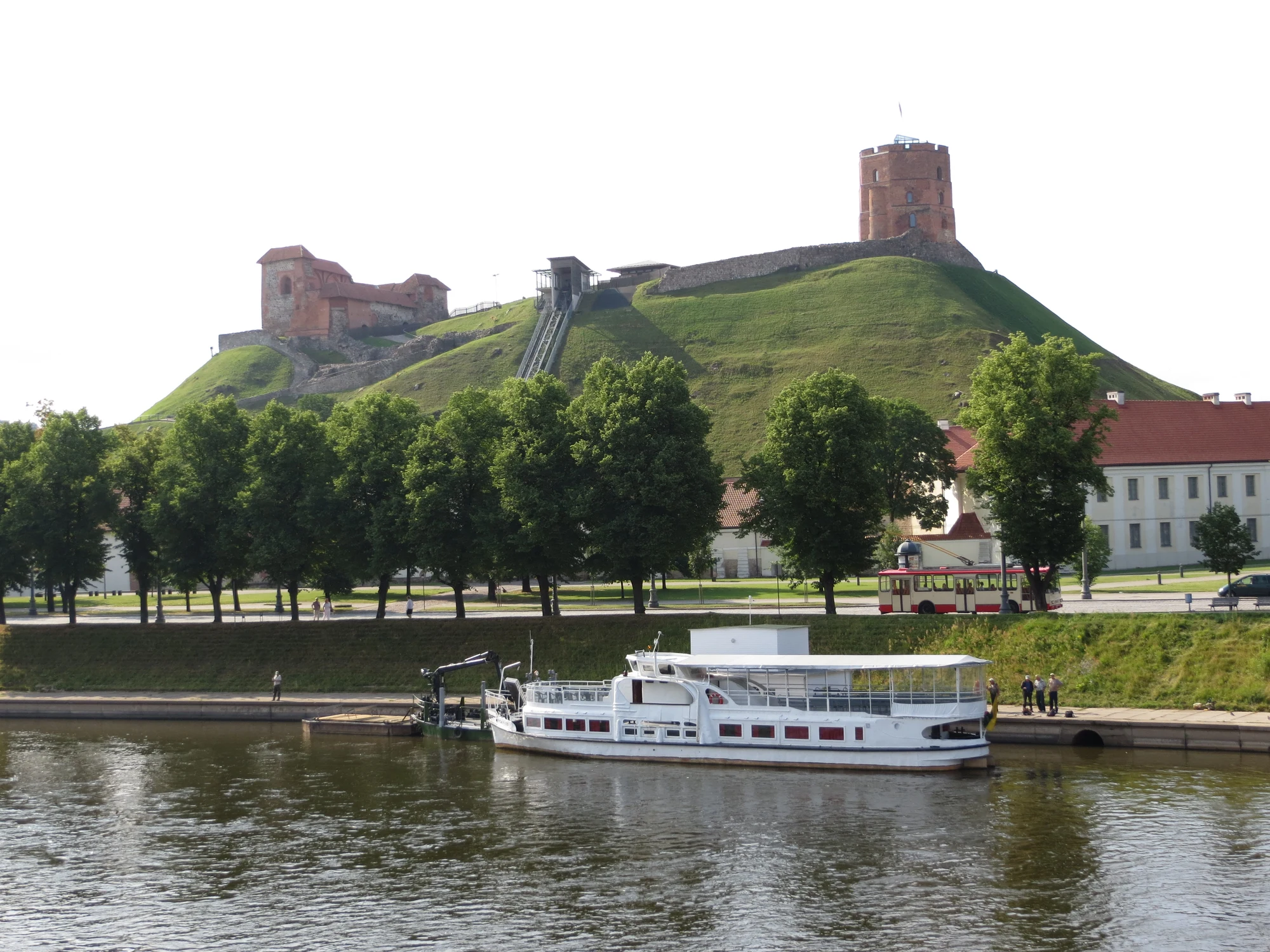
Why payment firms license in Lithuania
The Bank of Lithuania licenses payment institutions, e-money institutions and, under MiCA, crypto-asset service providers. Bank licenses, as everywhere in the euro area, come from the European Central Bank on the national supervisor's proposal. A Lithuanian license passports across the EU like any other, so the choice of Vilnius was about the process. Go Vilnius says licensing often takes under six months, and the central bank runs a newcomer program that guides new entrants through the requirements and a regulatory sandbox for live tests. Lithuania was one of the five jurisdictions with an operating sandbox in the report of the European supervisory authorities described at regulatory sandbox.
Brexit sent the largest wave. Revolut moved its European business from the UK to Lithuania, as its deputy chief executive Andrius Bičeika described at a Vilnius University conference, where the faculty also cited the Bank of Lithuania's count of 263 fintech companies at the end of 2022. Robinhood offers tokenized stocks to European customers under its Lithuanian brokerage license, covered at tokenized stocks.
CENTROlink: SEPA without a correspondent bank
The Bank of Lithuania launched CENTROlink in 2015 as its own gateway to SEPA, according to Mambu. Through it the central bank sponsors payment institutions, e-money institutions and credit institutions that join SEPA as indirect participants, with access to SEPA credit transfers, SEPA Instant and both direct debit schemes. Go Vilnius adds that CENTROlink is open to payment providers licensed anywhere in the EEA and carries instant payments around the clock.
For a firm without a banking license this settles who sends its payments. Mambu names an own BIC and own IBANs as the gains of indirect participation. How instant euro payments work across the EU is covered at instant payments in Europe.
Revolut, German IBANs and the passport
Revolut's European bank is Revolut Bank UAB in Vilnius. It served German customers on its Lithuanian license and then opened a German branch, which gives customers who live in Germany an IBAN starting with DE, as described at Revolut and neobanks in Germany. Deposits stay in the Lithuanian deposit guarantee scheme.
Smaller payment and e-money firms use the same route without a branch. A firm licensed in Vilnius notifies the Bank of Lithuania that it wants to serve Germany and then does so under Lithuanian supervision, with German consumer and tax law still applying. The procedure and its notice periods are set out at EU passporting, and the German license it replaces at the e-money license.
A supervisor that tightened
The Bank of Lithuania has followed the licenses with inspections. It fined Revolut Bank 3.5 million euros for breaching money laundering prevention rules after a scheduled inspection found that the bank did not always properly identify suspicious transactions, as LRT reported.
For German banks and fintechs that work with Lithuanian-licensed partners, the partner's inspection record belongs in the due diligence next to the license itself. Finance Loop covers the controls in its Risk & Compliance track.
MiCA cut the crypto register
Before MiCA, Lithuania kept a register of crypto companies, which grew to around 850 by late 2022, according to Fintech News Baltic. MiCA replaced registration with licensing. The Bank of Lithuania received 102 license applications from 55 companies in 2025, and firms had until December 31, 2025 to obtain a license or stop.
By the end of that period the Bank of Lithuania had licensed three crypto firms, while about 120 had been active out of 374 registered, as LRT reported. Firms operating without a license act illegally, and the central bank may block their websites. A Lithuanian MiCA license passports into Germany like one from BaFin, covered at the CASP license and MiCA in Germany.
Events and associations in Vilnius
Fintech Inn, a fintech conference in Vilnius, drew more than 3,000 people, according to Invest Lithuania. Go Vilnius lists the associations of the sector, among them Fintech Hub LT, Infobalt and Unicorns Lithuania, and names the Bank of Lithuania's LBChain as the world's first blockchain sandbox run by a regulator.
Upcoming fintech and finance events
Why do fintechs get licensed in Lithuania?
Because a Lithuanian license passports across the EU and the process has been fast: the city's business portal says licensing often takes under six months. The Bank of Lithuania also gives licensed payment and e-money institutions access to SEPA through CENTROlink. After Brexit, Revolut chose Lithuania for its EU business.
What is CENTROlink?
The Bank of Lithuania's payment system for access to SEPA, launched in 2015. It sponsors payment institutions, e-money institutions and credit institutions licensed in the EEA as indirect SEPA participants, with SEPA credit transfers, SEPA Instant and direct debits.
Can a Lithuanian license be used in Germany?
Yes. A payment institution, e-money institution or crypto-asset service provider licensed by the Bank of Lithuania notifies its supervisor and then serves German customers under the passport. Supervision stays in Vilnius, while German consumer and tax law apply to the German business. Revolut went a step further and opened a German branch of its Lithuanian bank to issue German IBANs.
Fintech in Vilnius and Finance Loop
Finance Loop covers Lithuanian payment licenses, SEPA access and MiCA in its Payments & Digital Money and Risk & Compliance tracks, because firms licensed in Vilnius sell into the German market. Finance Loop is the meeting place where a Lithuanian-licensed fintech meets the German banks, merchants and compliance teams it wants to work with. Finance Loop offers such firms a membership, sponsored webinars, sponsored meetups and partnerships, and its pages on fintech growth and fintech marketing describe how a fintech reaches German banks.
Finance Loop is a professional network and has the goal of driving the adoption of emerging technologies in finance, such as AI, tokenization, stablecoins, and DeFi. Finance Loop helps its members build skills and personal networks in these fields: Investment & Digital Assets, Payments & Digital Money, Digital Infrastructure & Sovereignty, and Risk & Compliance.