
Proptech in Frankfurt
Frankfurt is where property meets finance: the banks that lend against buildings, the fund managers that own them and the Frankfurt School that trains their staff all sit in one city. Proptech here means software for financing, managing and investing in real estate, plus the tokenized property bonds that German law now allows.
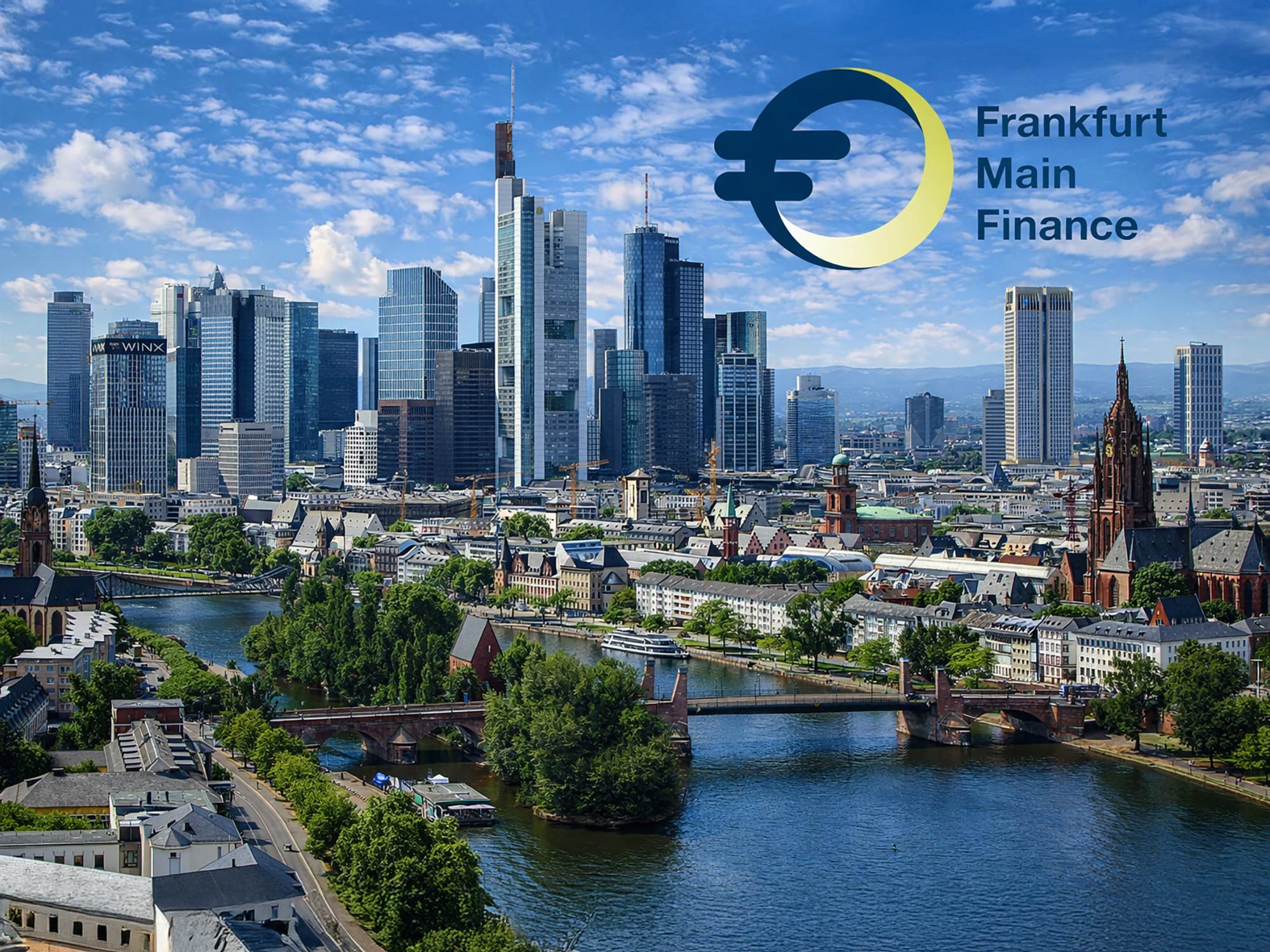
What proptech means, and what it means in Frankfurt
Proptech, short for property technology, is software and data used across the life of a building: planning and construction, letting and facility management, valuation, financing and investment. The part that deals with planning and building is often called contech, and the two overlap. In real estate, the word covers anything from a tenant app to an automated valuation model inside a bank.
Frankfurt's share of the field leans toward money. Banks in the city finance commercial property, asset managers run real estate funds, and investors need data on rents, vacancies and energy use to price a building. A proptech that sells into Frankfurt usually sells to one of them, so its product has to pass the same procurement, data protection and IT risk checks that apply to any bank vendor under DORA.
The PropTech Germany study from Frankfurt
The best-known survey of the German proptech market comes from Frankfurt. blackprint, a Frankfurt company that describes itself as specialized in innovation in construction and real estate, publishes the PropTech Germany study every year with the Institute for Real Estate Economics and Management at Aschaffenburg University of Applied Sciences. The sixth edition evaluated 205 questionnaires.
Its findings, as summarized by Konii (in German): the hurdles for proptechs keep rising, the industry's digital maturity stays low, and access to the right contact person at a property company is the largest sales barrier. A third of the proptechs surveyed named their own lack of visibility as the deciding obstacle. Venture capital remains the main source of growth money, and demand is driven by ESG and digital maturity, which ties proptech to ESG reporting duties at the owners' side.
Real estate at the Frankfurt School
The Frankfurt School Real Estate Institute runs research, executive education and events on property finance and investment, including the yearly Frankfurt School Real Estate Day. The school runs a Master's program in Digital Real Estate Management, and its Bachelor program now has an elective called Real Estate Entrepreneurship & PropTech Development, where students develop real estate startup ideas with design thinking and a business plan. For anyone new to proptech in Frankfurt, the school's events are one place where lenders, fund managers and founders sit in the same room.
Tokenized property: proptech on the capital markets side
The newest proptech in Frankfurt touches the capital markets. Under the Electronic Securities Act (eWpG), a property bond can be issued as a token on a blockchain. The investor holds a claim against the issuer, paid from rent or sale proceeds, not an entry in the land register. BaFin approved the prospectus for a 250 million euro blockchain-based real estate bond from the Fundament Group, and platforms such as Exporo and Bergfürst use the same bond structure for smaller tickets.
A study by Hamburg Commercial Bank and the Frankfurt School Blockchain Center (in German) looked at 41 companies that had tokenized real estate and found that liquid secondary markets and digital land registers were still missing. The tokenized real estate page covers the structure and risks in detail.
Upcoming events in Frankfurt
Finance Loop and proptech in Frankfurt
Finance Loop is the meeting place for people who finance, tokenize and invest in real assets in Frankfurt. It connects the finance, IT and AI communities in Germany, Austria and Switzerland, with events in Frankfurt, Munich, Berlin and Hamburg.
CoreLedger, a Finance Loop partner, has spoken about tokenizing real estate and gold at a real-world asset evening at TechQuartier in Frankfurt. Gubbi AG runs the GDX Primary Market, which brings tokenized real-world assets, real estate among them, to financial advisers. Related topics are on the pages RWA tokenization and private markets in Frankfurt.
Investment & Digital Assets
Risk & Compliance
Technology
What is proptech in real estate?
Proptech is technology for buying, financing, managing or using property: valuation models, tenant and facility management software, energy data platforms, and marketplaces for property investment. Contech, the technology for planning and construction, sits next to it.
Is there a proptech meetup in Frankfurt?
Proptech topics in Frankfurt come up at real estate finance events such as the Frankfurt School Real Estate Day and at tokenization evenings. Finance Loop lists the finance and tokenization events it runs or supports in the events overview and in the calendar on this page.
What does the PropTech Germany study say?
The latest PropTech Germany study, by the Frankfurt company blackprint and Aschaffenburg University of Applied Sciences, evaluated 205 questionnaires. It found rising hurdles for proptechs, low digital maturity among property companies, and access to the right contact person as the largest sales barrier.
What is real estate tokenization?
In Germany, real estate tokenization usually means a bond backed by a property or portfolio and issued as a token under the eWpG. The investor holds a claim against the issuer, not a share of the land, and most such tokens trade, if at all, on the platform that issued them.
Proptech in Frankfurt and Finance Loop
Proptech meets Finance Loop where property turns into a financial asset: tokenized real estate bonds, real-world asset platforms such as Gubbi's GDX Primary Market, and the CoreLedger evening on tokenizing real estate at TechQuartier. The topic belongs to the Investment & Digital Assets track.
Finance Loop is a professional network and has the goal of driving the adoption of emerging technologies in finance, such as AI, tokenization, stablecoins, and DeFi. Finance Loop helps its members build skills and personal networks in these fields: Investment & Digital Assets, Payments & Digital Money, and Risk & Compliance.