
Algorithmic trading in Germany
Algorithmic trading is legal in Germany and closely supervised. MiFID II defines it, section 80(2) of the Securities Trading Act sets the duties of every firm that uses it, and a firm trading at high frequency needs its own BaFin license. Dated events for traders and quants are in the calendar below.
What counts as algorithmic trading
A bank that splits a large share order into many small ones with a program already trades algorithmically. MiFID II, the EU directive for investment services, defines algorithmic trading in Article 4(1)(39) as trading "where a computer algorithm automatically determines individual parameters of orders such as whether to initiate the order, the timing, price or quantity of the order" with limited or no human intervention. A system that only routes an order to a trading venue does not count.
High-frequency trading is the narrower case in Article 4(1)(40): low-latency access such as co-location, a system that decides on single orders without a person, and a high number of messages per day. The definition names no method, so a machine learning model and a fixed rule set fall under the same rules. The answer What is AI in trading? sets out the text of both articles, and What is MiFID II? explains the directive around them.
Germany wrote its own rules first
Germany regulated high-frequency trading before the EU did. The High-Frequency Trading Act (Hochfrequenzhandelsgesetz) made high-frequency trading on German venues a licensed activity, put organizational duties on every algorithmic trader and required algorithm-generated orders to be flagged, with the algorithm behind them identified. Most of these ideas later went into MiFID II.
Today the German duties sit in two laws. Section 80(2) of the Securities Trading Act (Wertpapierhandelsgesetz, WpHG) transposes Article 17 of MiFID II: a firm that trades algorithmically builds its trading systems so that they cannot disrupt the market, with trading thresholds and limits, and its systems must be resilient under Chapter II of the Digital Operational Resilience Act (DORA). Under section 80(3) it keeps records of its orders for five years. The license for high-frequency trading comes from the Banking Act (Kreditwesengesetz, KWG).
The BaFin license for high-frequency trading
BaFin's questions and answers on high-frequency trading (in German) explain when a firm needs a license under section 32(1) KWG. The trigger is a high-frequency algorithmic trading technique, and all three criteria must be met at once: infrastructure built to minimize latency, a system that decides to send, time or change an order without human intervention, and a high intraday message rate.
Where a firm is based matters. A firm from another country of the European Economic Area may be exempt under section 2(4) KWG, while BaFin rules out that exemption for firms from third countries. A trading firm from outside the EEA that trades at high frequency on Xetra or Eurex cannot rely on it. In Austria, section 27 of the Securities Supervision Act 2018 sets the same duties and the FMA can ask for a description of a firm's strategies. Switzerland is outside the EU, and Article 31 of the Financial Market Infrastructure Ordinance requires participants to flag algorithmic orders, with FINMA as supervisor.
What algorithmic trading teams deal with now
AI is the new question in every model review. In a survey by ESMA and 15 national authorities, 395 firms reported 847 AI use cases, but only 10 concerned algorithmic trading and 3 high-frequency trading (ESMA). ESMA warns that many firms running similar models from the same few providers could trade in the same direction and increase volatility in a shock, and it notes that there is no concrete evidence yet that AI drives this. ESMA has also issued a supervisory briefing on algorithmic trading for national authorities, covering pre-trade controls, testing, outsourcing and the use of AI.
The second question is infrastructure. The back-ends of Xetra and Eurex run in the Equinix FR2 data center in Frankfurt, where trading firms rent co-location space; the page on trading in Frankfurt describes the venues. Trading algorithms are not on the high-risk list of the EU AI Act, but DORA applies in full, so a German trading firm now documents its ICT risk for every system that sends orders.
Upcoming events for traders and quants in Germany
Finance Loop and algorithmic trading
Finance Loop connects the traders, quants and developers who build trading systems at banks, brokers and asset managers in Germany, Austria and Switzerland, with events in Frankfurt, Munich, Berlin and Hamburg.
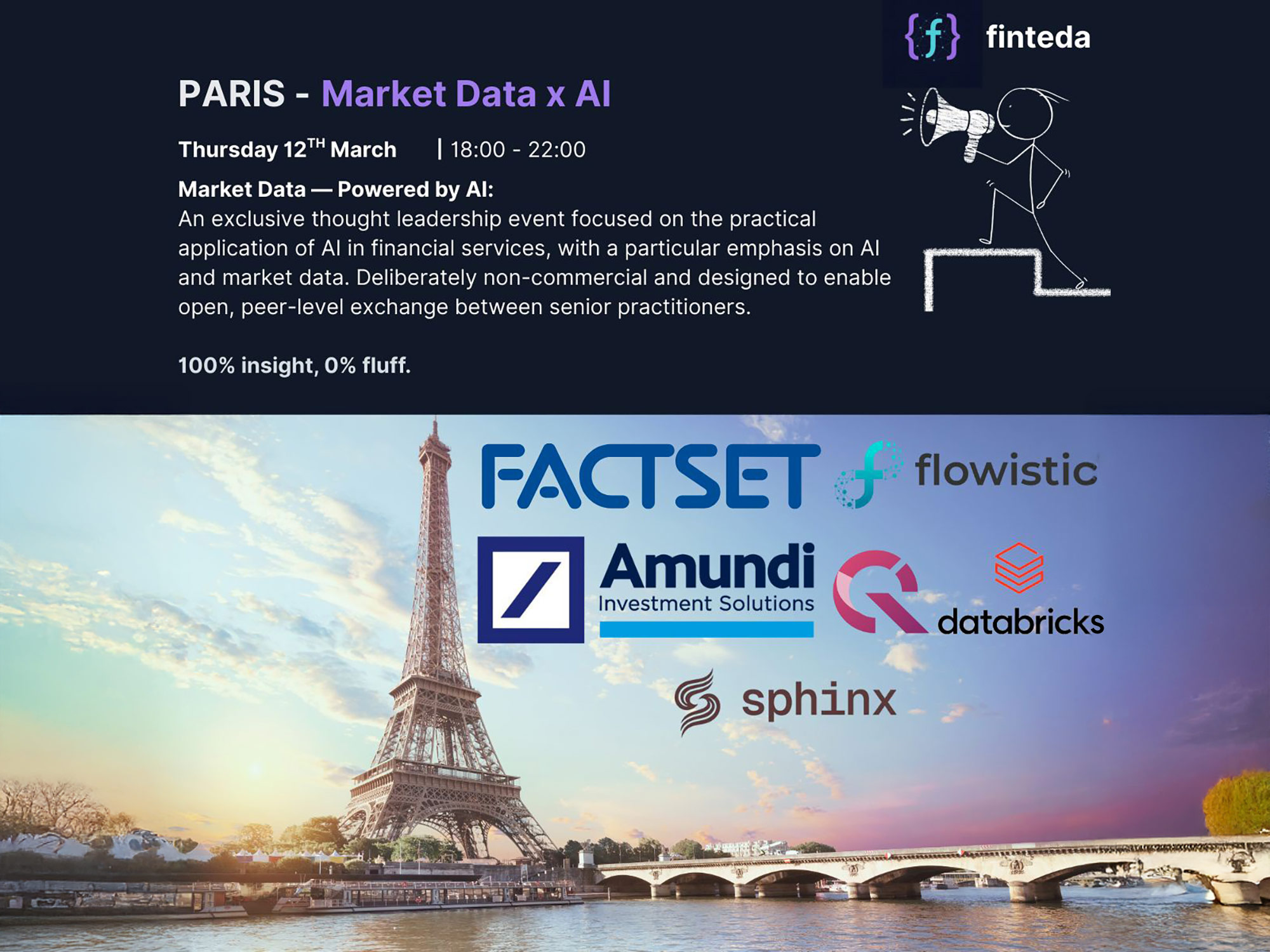
Finance Loop works with Finteda, a practitioner network for quantitative technology, machine learning and applied AI in finance that began as a Frankfurt meetup for fintech builders and quants and runs Quant Devnight sessions in London and New York. It supported the AI & Financial Market Data meetup in Paris with speakers from Deutsche Bank, Amundi and FactSet, and it was a partner of the Frankfurt Quantum Finance Forum, organized by Frankfurt School with Deutsche Bundesbank, IBM, Finance Loop and Finteda.
Is algorithmic trading legal in Germany?
Yes. Algorithmic trading is legal in Germany. An investment firm that trades algorithmically must meet the duties of section 80(2) WpHG and notify its supervisor and the trading venue, and a firm that trades at high frequency needs a BaFin license under section 32 KWG.
Do you need a license for high-frequency trading in Germany?
Yes, when the firm uses a high-frequency algorithmic trading technique: latency-minimizing infrastructure, no human intervention for single orders and a high intraday message rate. BaFin requires a license under section 32(1) KWG. Firms from other EEA countries may be exempt; firms from third countries are not.
How is algorithmic trading regulated in the EU?
Through MiFID II. Article 4 defines algorithmic and high-frequency trading, and Article 17 requires risk controls, trading thresholds, tested systems, business continuity and a notice to the home supervisor and the trading venue. Germany transposes Article 17 in section 80(2) WpHG, Austria in section 27 of its Securities Supervision Act.
Is algo trading safe?
Algo trading carries the risks of trading plus technical ones: an erroneous order that repeats thousands of times, a model that reacts to bad data, or many firms reacting in the same way. That is why MiFID II requires trading thresholds and limits that stop erroneous orders, and why ESMA watches how firms test AI models.
Are there algorithmic trading meetups in Frankfurt?
Yes. Finteda sessions and Finance Loop meetups at TechQuartier bring quants and trading developers together in Frankfurt, and the events calendar lists upcoming dates, including algorithmic trading conferences elsewhere in Europe.
Algorithmic trading and Finance Loop
Algorithmic trading sits between two Finance Loop tracks: Investment & Digital Assets for the markets and Risk & Compliance for MiFID II, DORA and AI oversight. Finance Loop runs events with Finteda and was a partner of the Frankfurt Quantum Finance Forum.
Finance Loop is a professional network and has the goal of driving the adoption of emerging technologies in finance, such as AI, tokenization, stablecoins, and DeFi. Finance Loop helps its members build skills and personal networks in these fields: Investment & Digital Assets, Payments & Digital Money, and Risk & Compliance.