
Crypto Litigation
Crypto litigation concerns legal disputes involving digital assets, their transfer and the obligations of the people or companies handling them. Cases can arise from fraud, failed exchanges, broken commercial agreements or disputed ownership. Blockchain records form part of the evidence, alongside contracts, account records and other documents.
Claimants, lawyers and courts need to connect technical transaction data with the legal rights being asserted. A traceable transfer history can help explain where assets moved, while additional evidence identifies the parties and their responsibilities. The applicable procedure determines which remedies are available and how evidence must be presented.
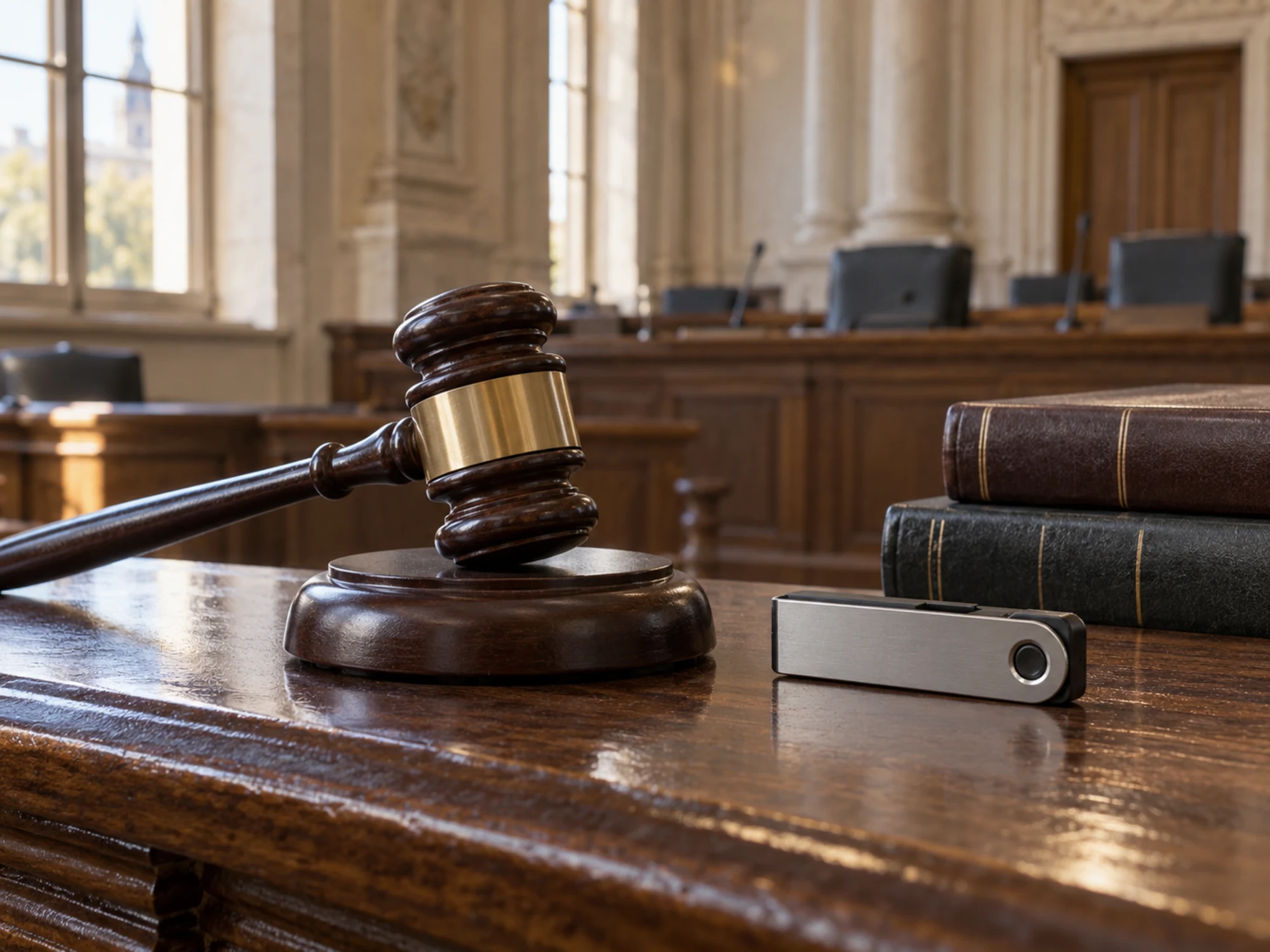
Freezing and seizing crypto assets under German law
Germany has no law written specifically for crypto seizure; courts apply the general confiscation rules of the Strafgesetzbuch, sections 73 and following, and the procedural securing powers in sections 111b and following of the Strafprozessordnung to wallets and exchange accounts the same way they apply to bank accounts and property. A court or, where there is imminent danger, the public prosecutor's office can order a freeze; the harder part in practice is identifying the exact wallet or account to name in the order, which is why a freezing application almost always depends on a tracing report completed beforehand.
The Dresden ruling on third-party crypto holdings
A case before the regional court of Dresden addressed whether crypto assets held by a third party at an exchange could be confiscated in a criminal proceeding tied to bitcoin proceeds from a shut-down darknet marketplace. The court's reasoning turned on ownership and control, the same questions any confiscation case asks, applied to a crypto exchange account instead of a bank account. The case shows German courts treating a crypto claim inside the existing legal framework, without waiting for crypto-specific statutes. Litigants build their arguments from established property and criminal procedure law.
Expert evidence: what a court actually needs explained
A German court accepts expert testimony from a publicly appointed and sworn expert or from another qualified specialist the court or a party engages for the case. In a crypto matter, the expert's job is to translate a blockchain's raw transaction data into a narrative a judge without technical background can follow: which wallet sent what, when, and how it connects to the party in the case. The same tracing methods used in blockchain forensics and asset tracing feed directly into this kind of report, built to hold up under cross-examination, a higher bar than an internal compliance file has to clear.
The EU's Asset Recovery Directive: a common playbook across member states
Directive (EU) 2024/1260, adopted in April 2024, requires every member state to run tracing, freezing, confiscation and asset management procedures that explicitly cover crypto-assets. For cross-border litigation, this matters because a claimant chasing funds that moved through wallets and exchanges in several countries can expect a more consistent legal toolkit in each jurisdiction than existed before, even though enforcement still runs through each country's own courts and asset recovery offices.
Upcoming events on compliance and digital assets
Finance Loop and crypto litigation
Finance Loop connects the lawyers, compliance officers and forensic specialists who work on crypto disputes at events such as When Banks Say 'No' in Frankfurt, where sanctions and anti-money laundering law shared the agenda with blockchain investigation methods. Crypto litigation sits in the Finance Loop Risk & Compliance track, next to crypto asset tracing and blockchain forensics.
Risk & Compliance
Investment & Digital Assets
Can a German court freeze crypto assets?
Courts apply the general asset freezing and confiscation rules of the Strafgesetzbuch and Strafprozessordnung to crypto wallets and exchange accounts. The practical requirement is a specific, identified wallet or account to name in the order, which is why a freezing application depends on tracing work being done first.
What does a crypto expert witness do in court?
A crypto expert witness explains blockchain transaction data to the court in plain terms: which wallets are linked, how funds moved between them, and how that connects to the parties in the case. The expert's report has to hold up under cross-examination, built on the same tracing methods used in asset recovery and compliance work.
Does EU law give crypto claimants better tools across borders?
The EU's Asset Recovery Directive, in force since 2024, requires every member state to build tracing, freezing and confiscation procedures that cover crypto-assets. This gives claimants a more consistent legal framework across the EU, though each case still runs through the national courts and asset recovery offices of the country where the assets or the defendant are located.
Crypto Litigation and Finance Loop
Crypto litigation draws on the same compliance and legal network Finance Loop brings together in Frankfurt, including the When Banks Say 'No' seminar, where sanctions law and blockchain investigation methods were both on the agenda for legal and compliance teams. The topic sits in the Finance Loop Risk & Compliance track, alongside crypto asset tracing and blockchain forensics.
Finance Loop is a professional network supporting the institutional use of emerging technologies in finance, such as AI, digital payments, cloud and blockchain solutions.