
Interim technical lead Frankfurt
An interim technical lead takes responsibility for agreed technical decisions during a defined period or project phase. A business may need that responsibility during a system launch, a migration or a gap in the permanent team. The mandate connects technical choices with the people who must deliver and operate the result.
Technical leadership starts with a written remit covering decisions, working time and the expected handover. Developers, suppliers and managers need to know which choices the interim lead can approve and which need escalation. In Frankfurt and Rhine-Main, buyers should also agree where collaboration requires physical presence and where remote work is practical.

Decision authority and the project mandate
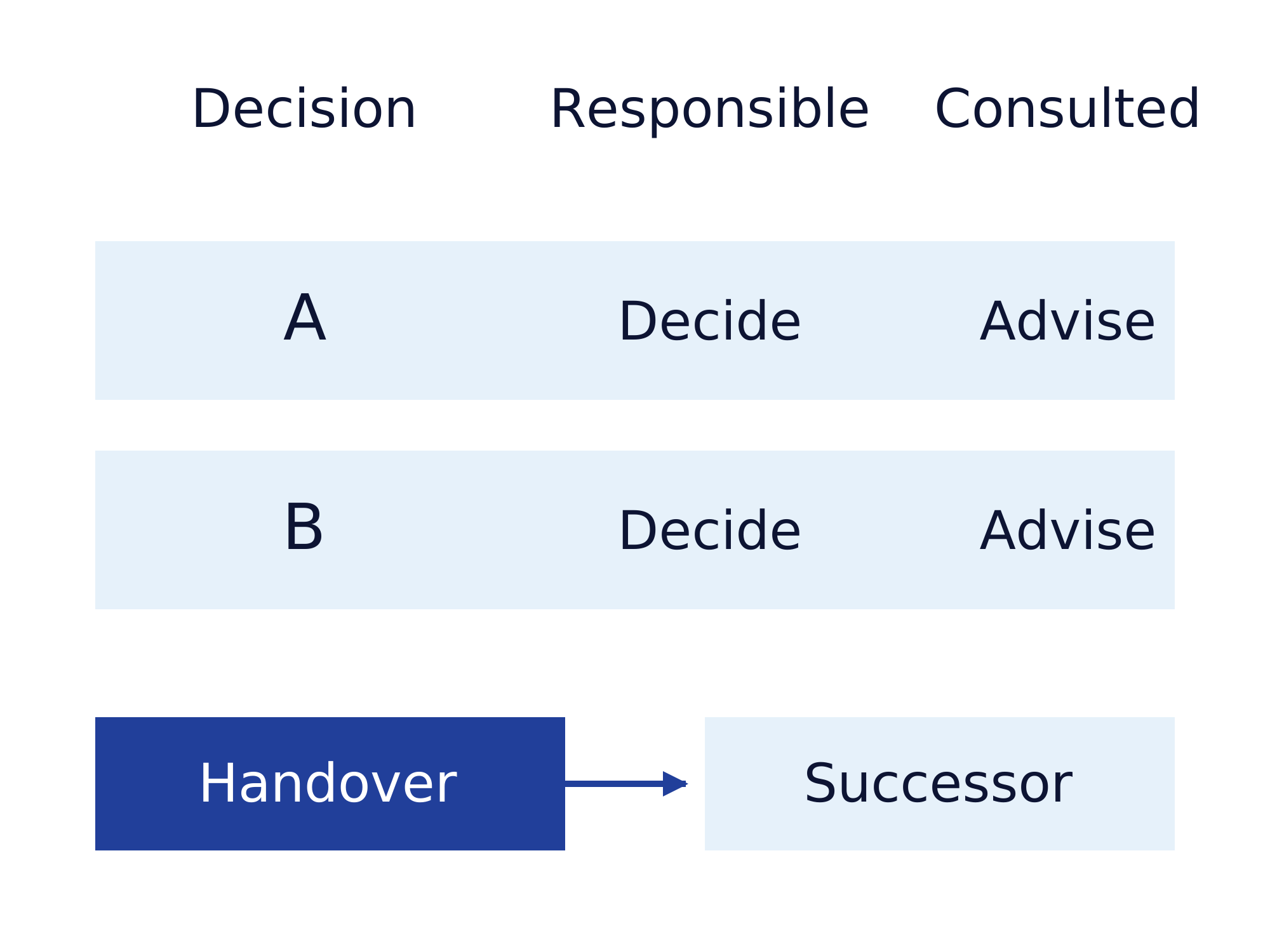
A technical mandate should name the decisions, the accountable buyer and the people providing advice. Architecture approval, spending approval and acceptance of completed work can belong to different people. Specify those responsibilities before asking an external lead to coordinate the project. A job title alone does not establish permission to change budgets or accept delivery.
The GOV.UK governance guidance (in English) distinguishes team decision boundaries from decisions requiring escalation. Apply that distinction to the actual mandate: identify the escalation contact and the evidence needed for a decision. Keep the agreed boundaries accessible to internal staff and named suppliers throughout the assignment.
Architecture decisions that survive a handover
An architecture decision should explain the problem, the chosen approach and the consequences for the project. Record the alternatives considered and the constraints that influenced the choice. A decision log helps the next owner understand why an interface, dependency or operating arrangement exists. Written reasoning also gives developers a concrete basis for checking subsequent changes.
AWS describes architecture decision records (in English) as a history of decisions with their context and consequences. When an accepted decision changes, a new record can supersede the earlier one while retaining the history. Agree the documentation format and review responsibility with the receiving team before the mandate ends.
Supplier coordination and acceptance
Supplier coordination makes dependencies between contributors visible and assigns a person to each unresolved delivery question. Ask which inputs one supplier needs before another supplier can complete the next step. Review progress against working results and agreed acceptance cases, with changes recorded when scope or timing moves. Technical leadership should keep the buyer informed about the decisions that affect delivery.
For a data migration, acceptance can include a reviewed reconciliation report and a tested cutover procedure. A software launch may need different evidence, defined around the actual application and operating environment. The mandate should identify the person authorized to accept those results and handle remaining defects.
Handover to the next technical owner
A handover should allow the next owner to continue work without depending on undocumented conversations. Ask for the current system status, the decision history and the people responsible for outstanding actions. Include supplier contacts, operating instructions and the location of agreed project records. The receiving team should check access to the materials while the interim lead remains available.
Review unresolved risks explicitly, including the next action and the person responsible for making progress. Confirm which responsibilities transfer to an internal team and which remain with an external supplier. Agree when the temporary mandate finishes and how any separately commissioned follow-up work will be arranged.
Coordinating a mandate across Frankfurt and Munich
A company coordinating technical work between Frankfurt and Munich should assign a decision owner for each participating team. Record which decisions need a joint workshop and which can be approved through the shared project record. Agree working days and travel arrangements before suppliers reserve their delivery dates, including who can approve changes when the usual contact is unavailable.
Gateflow as a provider in Frankfurt
Gateflow is a Frankfurt IT company offering temporary technical leadership for defined project phases. Gateflow agrees the decision remit, working days and required presence before accepting a mandate. The assignment can cover a launch, a migration or an interim gap, with availability confirmed individually.
Gateflow coordinates named suppliers and records technical decisions, acceptance and handover. The interim technical leadership service (in English) requires clarity about the project phase, existing plan and approval responsibilities. Projects can be scoped across Germany, while remote or on-site delivery depends on the mandate.
Is an interim lead the same as an interim CTO?
An interim CTO mandate can include company-wide technology strategy and engineering leadership. A technical project lead can have a narrower remit limited to specified delivery decisions. Compare the actual authority, responsibilities and time commitment when evaluating either service. A part-time arrangement describes working time, while an interim arrangement describes a temporary assignment; a contract can combine both.
What should a buyer agree before starting?
A buyer should agree the project objective, the decision remit and the expected evidence of completion. Ask how working days, required presence and additional requests affect the commercial proposal. Specify access to existing plans and suppliers so the interim lead can begin with the actual project context. Set a review point for changing the mandate when the business situation changes.
Technical leadership and Finance Loop
Finance Loop connects professionals working on technology and financial services in Frankfurt and across Europe. Finance Loop events create opportunities to discuss project responsibilities and meet people with relevant implementation experience. A clear technical mandate helps participants explain the support needed for a particular project.
Finance Loop is a professional network for the institutional use of emerging technologies in finance. Finance Loop helps members develop skills and professional contacts in these fields: Investment & Digital Assets, Payments & Digital Money, Digital Infrastructure & Sovereignty, and Risk & Compliance.