
Payment hub
A payment hub is a central software platform that receives payment instructions, checks them and routes them to the appropriate payment system. Banks use hubs to process several payment types through a common platform. Companies use a corporate payment hub to connect their accounting and treasury systems with their banks.
A payment hub coordinates the technical steps needed to turn an approved instruction into a bank payment. Functions can include file conversion, approval controls, bank connectivity and transaction tracking. Centralizing these steps helps operations teams apply consistent controls and see payment status across different systems and bank connections.
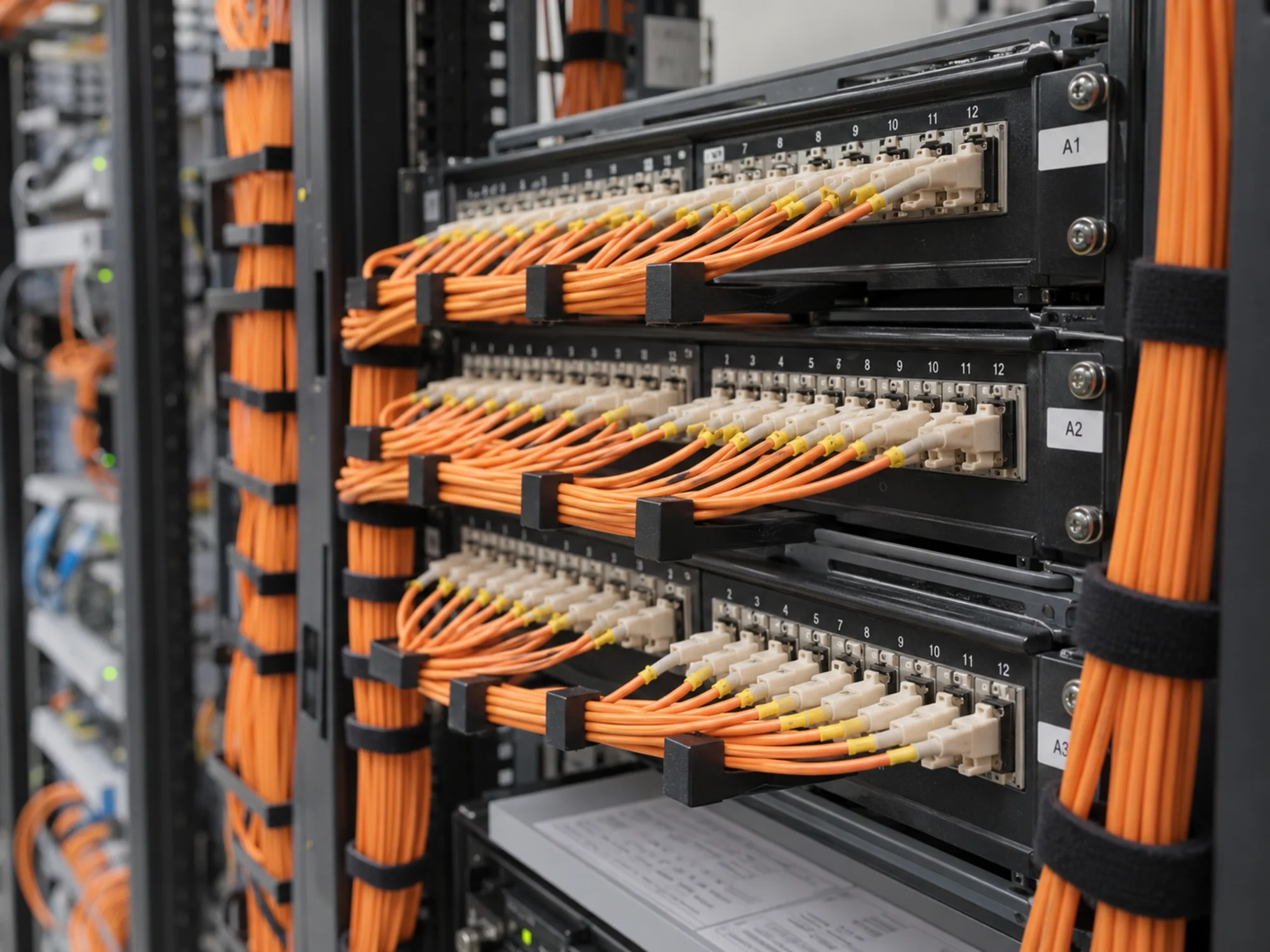
The payment hub inside a bank
Many banks still organize payments by channel, with a separate back office for each payment type, which Alacriti describes as isolated back-office functions and fragmented customer data. A hub brings the rails onto one platform and connects it to the bank's fraud and risk systems, its digital banking and its core banking system.
For a European bank the rails are the SEPA credit transfer and direct debit, the instant transfer through TIPS or RT1, large-value payments in T2 and cross-border payments over Swift. All of them now use ISO 20022 messages, so a hub that maps one data model to every rail replaces several format converters. Finance Loop covers the message change in ISO 20022 migration.
The payment hub at a company
A corporate payment hub sits between the banks a company uses and its ERP or treasury systems, according to Nomentia. A corporate payment hub collects payment files from accounts payable, payroll and treasury, runs approval workflows, screens payments against sanctions lists before they reach a bank and keeps an audit trail of every payment. The payment hub sends batches in each bank's format and receives the bank feedback for reconciliation.
The connection to the banks runs host-to-host, over the Swift network or, in Germany, France, Austria and Switzerland, through EBICS. The files themselves are SEPA XML going out and camt.053 statements coming back. Nomentia uses the term payment factory for the platform together with the staff who run the payment processes.
What instant payments change for the hub
An instant transfer settles in about ten seconds on any day of the year. A hub built for batch cut-offs has to run around the clock, call the verification of payee before release and keep enough liquidity on the instant settlement accounts outside business hours. Finance Loop covers the rules in instant payments in Europe.
Upcoming payments events
What is the difference between a payment hub and a payment gateway?
A payment gateway connects a merchant's checkout to card schemes and other payment methods, so the merchant can accept payments from customers. A payment hub processes the payments a bank or a company sends and receives itself, across all its rails and banks.
Is a payment hub the same as an in-house bank?
No. An in-house bank provides banking services inside a corporate group, such as internal accounts and netting between subsidiaries. A payment hub handles the payments. Groups often introduce a hub as part of an in-house bank project.
What is a payment factory?
A payment factory is the central unit of a corporate group that makes payments on behalf of its subsidiaries. A payment factory consists of the payment platform and the staff who run the payment processes.
Payment hubs and Finance Loop
Finance Loop brings together bank payments and IT teams with the corporate treasurers who plan hub projects. Finance Loop is built in collaboration with TechQuartier in Frankfurt, where fintechs that sell payment software meet banks and corporates.
Finance Loop is a professional network supporting the institutional use of emerging technologies in finance, such as AI, digital payments, cloud and blockchain solutions. Finance Loop helps its members build skills and personal networks in these fields: Investment & Digital Assets, Payments & Digital Money, Digital Infrastructure & Sovereignty, and Risk & Compliance.