
PHP, React & Node.js application maintenance
Application maintenance keeps existing software usable as its dependencies and business requirements change. For a PHP, React or Node.js application, the work can include correcting defects and updating packages, with checks that the changed version still performs the tasks employees and customers rely on.
Small companies need a maintenance scope that identifies the covered application and the people responsible for operating it. The agreement should distinguish planned development from incident handling and explain how a tested change reaches production, including the decision to reverse an unsuccessful release.
Record the installed versions and support position
Start with the versions actually used in production and the packages recorded in the application. Check runtime support against the PHP support schedule where PHP is involved. For Node.js, review the official release status before selecting the target runtime. The upgrade plan must also account for compatibility with the framework and application code.
Change a React interface in bounded sections
An interface change can have a smaller scope than replacing the entire application. The React integration documentation describes adding React within an existing project. When assessing that approach, agree the affected routes and the expected form behavior, then test navigation and permissions across the boundary between the existing interface and the changed section.
Turn a defect report into a repeatable check
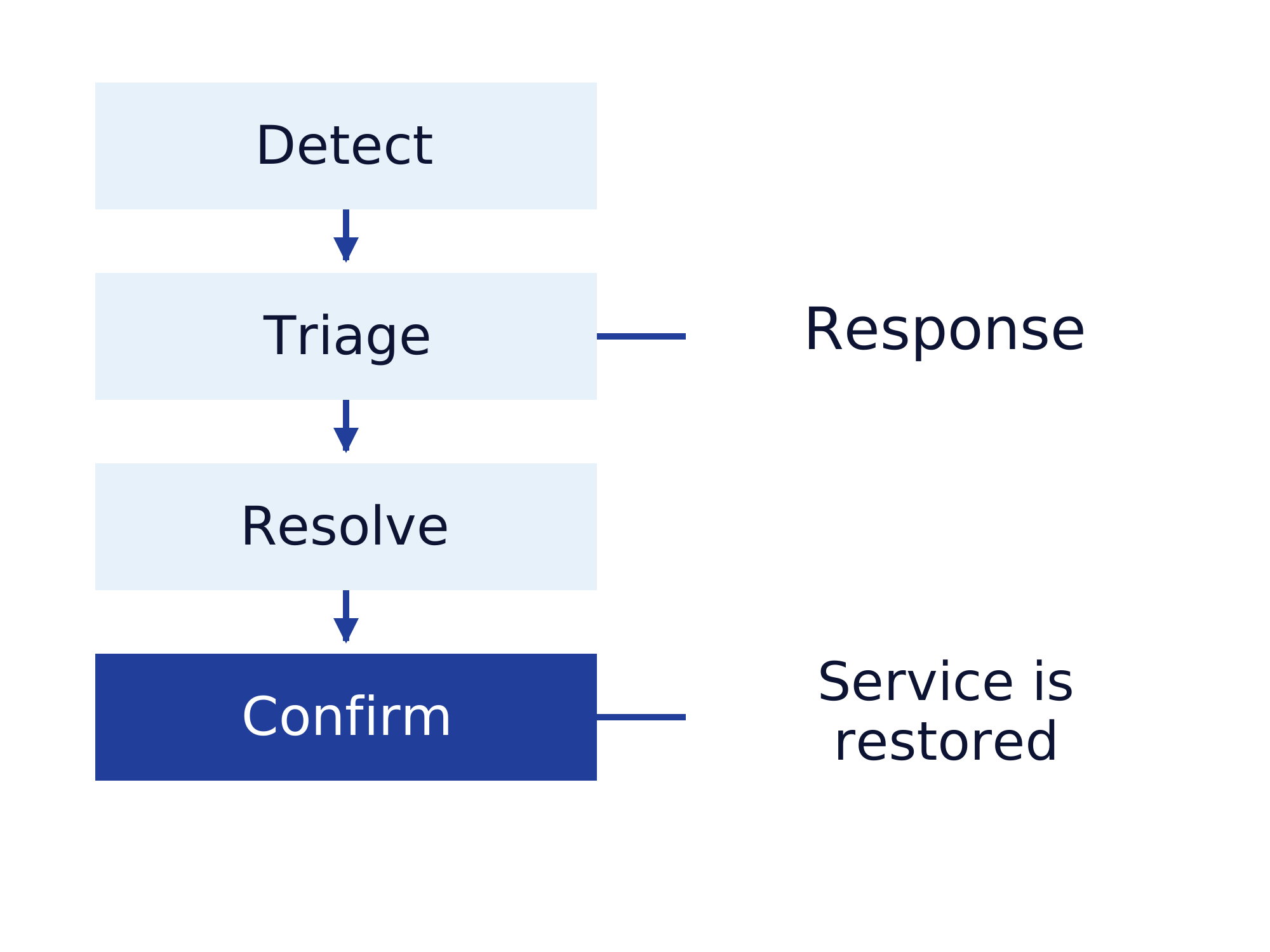
A useful defect report names the user task and describes the expected result alongside the observed failure. Reproduce that behavior in a test environment before changing the code. After the repair, repeat the original task and the nearby operations that share the changed component. Record the checked version and any limitations that remain relevant to the operating team.
Include background work in release checks
A page can load successfully while an import or notification remains unfinished. Include a representative background task in the agreed release checks and decide who investigates an increasing backlog. For an application receiving Stripe notifications, Stripe webhook guidance explains signature verification and prompt acknowledgement. The application still needs its own rules for applying those notifications to business records.
Agree maintenance capacity and release authority
Specify which work belongs in the recurring maintenance budget and which changes need a separate estimate. Agree service hours and escalation contacts for the actual application, including responsibilities retained by the hosting provider. Keep the instructions and access available to the customer; a future developer handover should begin from the recorded operating state.
Assessing a project with Gateflow
Gateflow maintains agreed business applications and implements prioritized repairs or updates within the defined scope. Gateflow examines unfamiliar code before confirming support, including the actual PHP, React or Node.js dependencies. A small company can request a proposal that separates recurring maintenance from larger migrations and documents the checks delivered with each changed version.
Gateflow is based in Frankfurt and focuses these services on Germany, Austria and Switzerland. Delivery location and any travel are agreed for the individual project, together with availability and the people needed for acceptance. Describe the existing application and the desired result when contacting Gateflow, so the initial discussion can define an assessment or first development stage.
Software decisions and Finance Loop
Finance Loop publishes independent guidance for professionals evaluating technology in finance and related business operations. Finance Loop is a European professional network that connects people across countries, while the named implementation provider agrees and delivers the technical assignment directly with the customer.