
Fintech in Berlin
More than a third of German fintechs are based in Berlin, among them the neobank N26 and the neobroker Trade Republic. The city helped popularize banking-as-a-service, and its fintechs follow the same BaFin and EU rules as any other German provider. Dated events are in the calendar below.
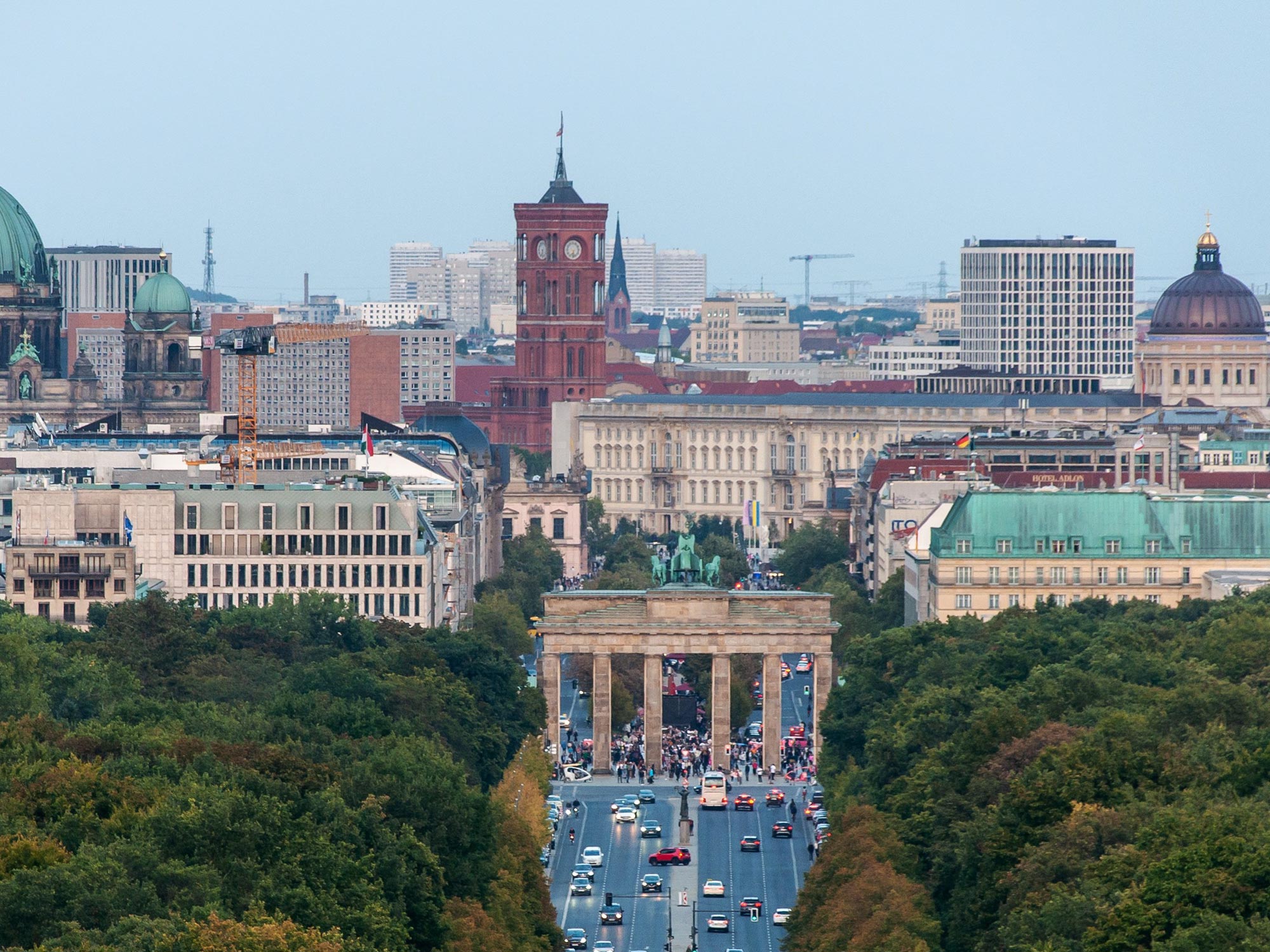
Berlin as a fintech city
Berlin has no old stock exchange or central bank branch to build a finance scene around. Its fintech companies grew instead out of the city's earlier e-commerce and gaming startups, which left behind engineers and a lower cost of living than London or Zurich. More than a third of German fintechs are based in Berlin today.
The city's own fintech festival, FIBE, brings founders, investors and bankers together each year. Berlin's public investment bank, Investitionsbank Berlin, runs funding programs that several fintechs have used in their early rounds.
Rules that apply to a Berlin fintech
A fintech in Berlin answers to the same national and EU rules as one in Frankfurt or Munich. BaFin licenses and supervises banks, payment institutions and investment firms from Bonn and Frankfurt; Berlin has no regulator of its own. Payment and open banking products work under the EU's PSD2, and a Berlin fintech that offers crypto services needs an authorization under MiCA.
A banking-as-a-service platform such as Solaris carries extra weight here: its bank customers rely on its license, so a problem at the platform can affect several brands at once. That is part of why DORA, the EU's digital operational resilience law, treats a bank's technology suppliers as part of its own risk management.
Funding and investors behind Berlin fintech
Berlin's fintechs raised money at a pace few other German cities matched, which is part of why N26 and Trade Republic could grow into companies valued in the billions. Investitionsbank Berlin, the state-owned bank for the city, co-invests in early rounds alongside private venture funds and has backed fintech founders through its startup financing programs since well before Berlin fintech became a recognized category.
International capital followed the city's own investors. Berlin-based fintechs have drawn funding from investors based in the United States and across Europe, a pattern that set Berlin apart from Frankfurt, where investment tends to come from banks and asset managers already active in German finance. That difference in investor base shows up in the products too: Berlin's fintechs built consumer apps first and added banking infrastructure and licenses afterward, the reverse of how a bank-led fintech usually starts.
Upcoming fintech events in Berlin
Finance Loop and fintech in Berlin
Finance Loop started in Frankfurt and holds events in Berlin, Munich and Hamburg as well. In Berlin it is a meeting place for people who work at the city's neobanks, brokers and banking-as-a-service platforms, alongside bankers, IT people and AI engineers from the wider finance sector.
Finance Loop covered KI Exchange 2026, a Payment & Banking conference on AI as infrastructure for banks and fintechs, and supported the Fintech Founder & Investor Evening in Frankfurt, where several Berlin-based founders and investors took part. Related pages: fintech in Germany, fintech in Frankfurt, fintech in Munich and fintech in Hamburg.
Investment & Digital Assets
Payments & Digital Money
Risk & Compliance
What is FIBE, the Berlin fintech event?
FIBE, the Fintech Festival Berlin, is the city's own fintech conference, with founders, investors and bankers on stage and in the audience. It runs each year in Berlin; the current program and dates are on its own site.
Fintech in Berlin and Finance Loop
Finance Loop is a professional network and has the goal of driving the adoption of emerging technologies in finance, such as AI, tokenization, stablecoins, and DeFi. Finance Loop helps its members build skills and personal networks in these fields: Investment & Digital Assets, Payments & Digital Money, and Risk & Compliance.
It connects the finance, IT and AI communities in Germany, Austria and Switzerland, with events in Frankfurt, Munich, Berlin and Hamburg. If you work on fintech in Berlin, you meet people from the same field at Finance Loop events.