
RegTech in Frankfurt
Frankfurt is the city where banks' regulatory reports arrive: ECB Banking Supervision, the Deutsche Bundesbank, BaFin's Frankfurt office, EIOPA and the new EU anti-money laundering authority AMLA all sit here. Regtech in Frankfurt is mostly about reporting to them, and the RegTech Convention has brought the field to the city for many editions.
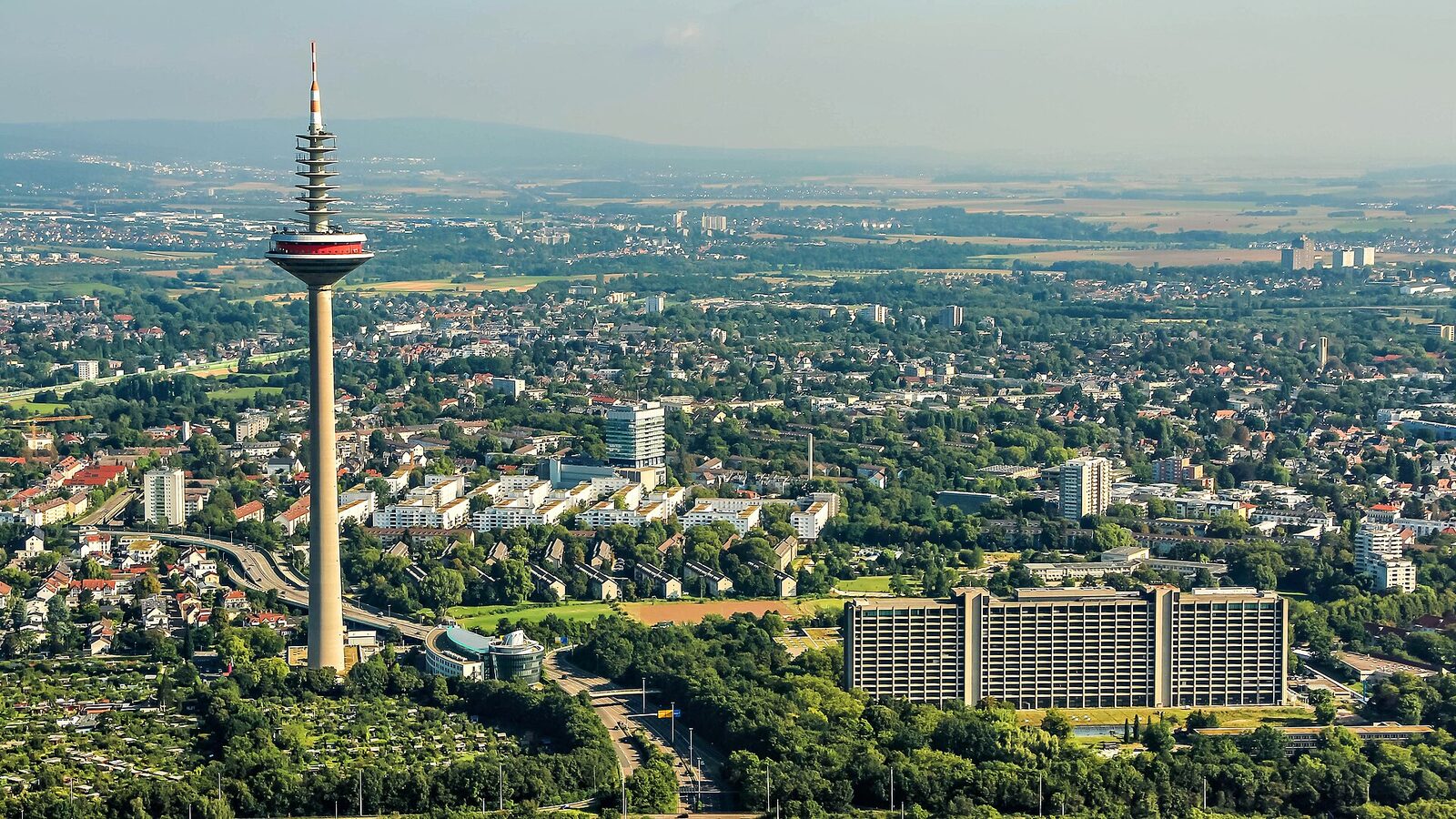
Why regtech in Frankfurt starts with reporting
Regulatory technology, or regtech, is software a regulated firm uses to meet a legal duty. The regtech in Germany page covers the national law behind it, from anti-money laundering systems to fraud checks. In Frankfurt the weight shifts to the other end of the pipe: the supervisors that receive the data. The Deutsche Bundesbank collects reports from German banks, ECB Banking Supervision supervises the significant banks of the euro area from its towers in the east of the city, and EIOPA at Westhafen does the same job at EU level for insurers.
A German bank sends supervisory templates (COREP for capital, FINREP for financial data), statistical reports and loan-by-loan data such as AnaCredit, each in a fixed format. Regulatory reporting in banking is therefore a data problem first: the numbers must be traceable from the ledger to the template. That traceability is what most regtech sold to Frankfurt banks promises; the German term for the whole field is Meldewesen.
The reporting changes Frankfurt teams work on
Two projects from EU authorities keep reporting teams busy. The Integrated Reporting Framework (IReF) of the ECB aims to replace many national statistical reports with one harmonized set across euro area banks, covering balance sheet items, interest rates, securities holdings and the AnaCredit loan data. First official IReF reporting is planned for the second quarter of 2031, after a one-year pilot, with a year of parallel reporting after that.
On the supervisory side, the European Banking Authority moved its reporting framework to a new data point model, DPM 2.0, and to the more compact xBRL-CSV file format. The data point model defines attributes, definitions and validation rules for each number a bank reports. For a regtech vendor this is the specification to build against, and for a bank it decides whether its reporting tool still passes the validation rules after each EBA release. The suptech in Europe page shows the receiving side of the same data.
The RegTech Convention and AI in compliance
The largest regtech gathering in the city is the RegTech Convention, organized by Regnology Germany GmbH. Its organizers describe a four-day hybrid conference with around 2,000 attendees from more than 120 countries, and its themes follow the reporting agenda, from straight-through reporting to the shift from control to data-driven insight.
AI is the second regtech topic in Frankfurt. On the supervisors' side, the ECB's Athena tool searches millions of supervisory documents with natural language processing. On the banks' side, AI governance and AI against financial crime were the themes of the fAInance conference in the city. Regtech AI for compliance brings its own rules, because a model that decides on customers can fall under the EU AI Act and a model bought from a vendor becomes an ICT contract under DORA.
Upcoming events in Frankfurt
Finance Loop, the meeting place for regtech in Frankfurt
Finance Loop is the meeting place for reporting, compliance and data people from Frankfurt banks and the regtech firms that work with them. It connects the finance, IT and AI communities in Germany, Austria and Switzerland, with events in Frankfurt, Munich, Berlin and Hamburg.
Finance Loop highlighted fAInance, a Frankfurt conference by Sopra Steria and Fraunhofer IAIS on AI governance, risk and compliance and AI against financial crime. Its strategic cooperation partner Frankfurt Data Science ran the after-work format "AI Governance. From Policies to Practice." at TechQuartier, and Finance Loop supports When Banks Say 'No', a payments seminar for compliance, treasury and legal teams at the NEXTOWER.
Risk & Compliance
Investment & Digital Assets
What is regulatory technology?
Regulatory technology (regtech) is software that banks, insurers and other regulated firms use to meet regulatory duties. Examples are reporting engines that fill COREP and FINREP templates, transaction monitoring for money laundering, sanctions screening, and tools that track new regulation and map it to internal policies.
What is suptech and regtech?
Regtech is used by the supervised firm, suptech by the supervisor. In Frankfurt both meet in the same report: a bank builds it with regtech, and the Bundesbank or the ECB receives and checks it with suptech.
What are the regulatory reporting requirements for banks?
Banks in the euro area report capital and liquidity (COREP), financial data (FINREP), statistics such as balance sheet items and interest rates, and loan-level data under AnaCredit. The EBA sets the supervisory templates and their data point model; the ECB's IReF will merge much of the statistical reporting.
Is there a regtech event in Frankfurt?
Yes. The RegTech Convention by Regnology has held many of its editions in Frankfurt. Regtech and AI compliance topics also run at conferences such as fAInance and at Finance Loop events, listed in the events overview.
RegTech in Frankfurt and Finance Loop
Regtech is part of Finance Loop's Risk & Compliance track. In Frankfurt, Finance Loop connects reporting and compliance teams with AI and data people, through fAInance, the Frankfurt Data Science format on AI governance and the When Banks Say 'No' seminar.
Finance Loop is a professional network and has the goal of driving the adoption of emerging technologies in finance, such as AI, tokenization, stablecoins, and DeFi. Finance Loop helps its members build skills and personal networks in these fields: Investment & Digital Assets, Payments & Digital Money, and Risk & Compliance.