
Web3 Berlin
Web3 in Berlin includes teams building blockchain protocols and applications that let users act through their own cryptographic keys. The technology records transactions across a shared network whose participants maintain a common view of the data. Work on protocols and privacy tools concerns how that network processes information and what participants can see or verify.
A network such as Ethereum can run programs that apply rules to transactions when users request them. Applications for digital assets connect those programs with the records and rights represented by a token. A usable service still needs to explain who controls the keys and how a user can recover access or understand the effect of an approved transaction.
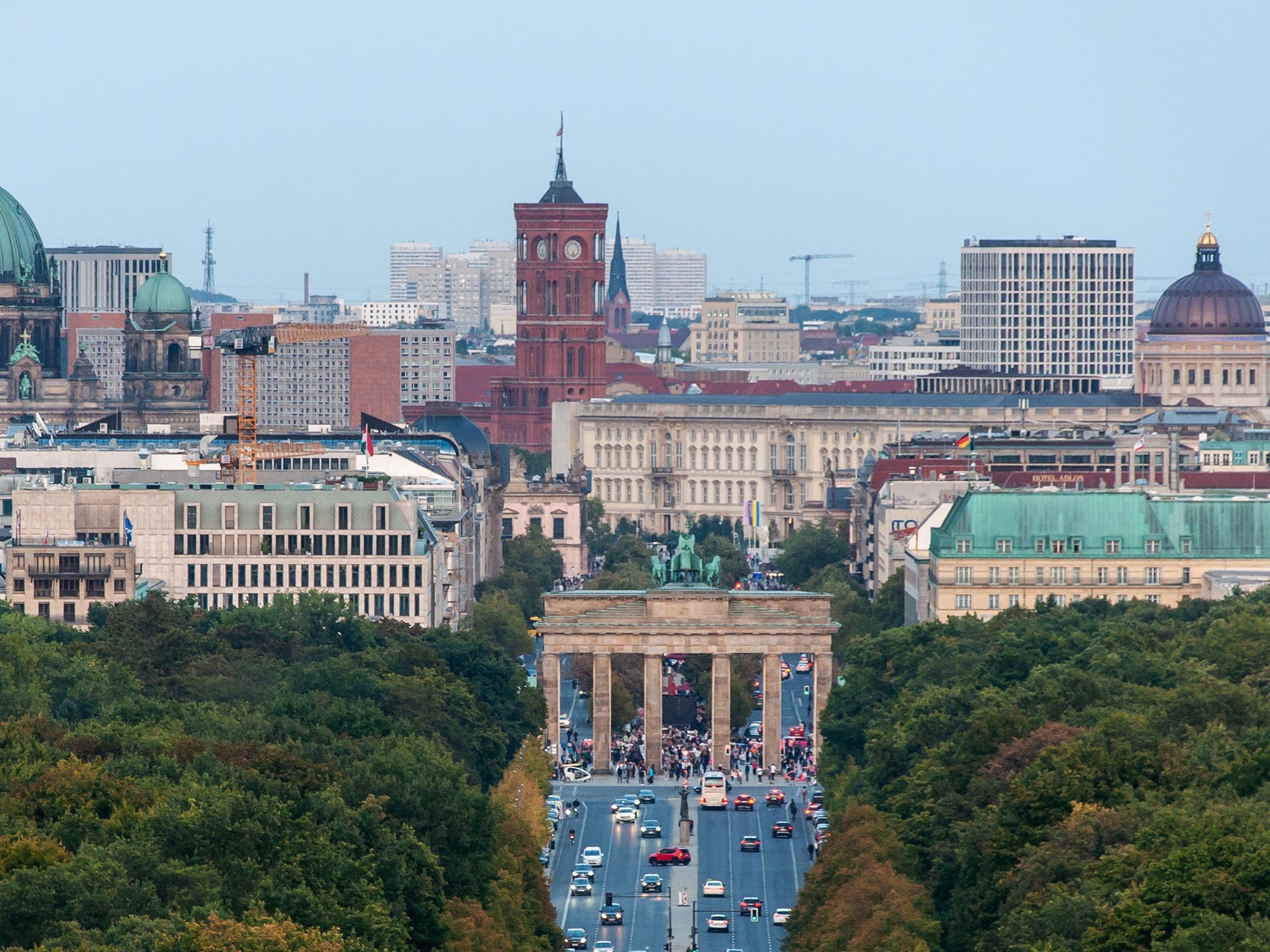
Where web3 was built: from Devcon0 to the Web3 Summit
Berlin was part of web3 before the word was common. DEVCON 0, the first Ethereum developer conference, was a classroom-sized meeting in Kreuzberg a few months before Ethereum's mainnet launch. Vitalik Buterin and Vlad Zamfir presented the plans for Ethereum 1.x, and ideas for sharding were on the table. Devcon has since become an annual conference that moves around the world.
The Web3 Summit is Berlin's own web3 conference. The Web3 Foundation, which supports the development of Polkadot, Kusama and other web3 technologies, holds it at Funkhaus Berlin. The Web3 Summit is a hacker-focused event with speakers from web2 and web3 and a strict no-sponsorship policy: no sponsors, no logo placements and no paid speaker slots. The summit returned after a five-year break and has been held in Berlin each year since.
Web3 hubs, privacy and the builder scene
Berlin's web3 life runs through hubs and meetups. The w3.hub on Möckernstraße in Kreuzberg hosted the German Blockchain & AI Week, with more than 60 speakers on topics from DEX vs CEX to tokenization and taxes. During Berlin Blockchain Week, a self-organized week of in-person events, developer conferences such as DappCon and Protocol Berg meet next to zero-knowledge hackathons and the W3PN hacks of the web3 privacy scene.
Privacy is a Berlin topic for a reason: many web3 builders here work on zero-knowledge proofs, which let one party prove a statement without showing the data behind it. For finance that matters because a bank may one day check a customer's eligibility onchain without seeing the full identity, while the travel rule still requires sender and recipient data for crypto transfers.
The rules a Berlin web3 team works under
Berlin has no special rules for web3. A team that issues a token to the public, runs an exchange or holds customer assets needs a BaFin license under the EU's MiCA regulation, and the license covers every EU country. A protocol that runs fully decentralized, without any intermediary, falls outside MiCA's scope, but the company that builds its front end or sells its token may not. Transfers between crypto service providers carry the travel rule of the Transfer of Funds Regulation. A web3 team that sells software to banks also meets DORA, the EU law that makes a financial firm's IT suppliers part of its own risk management.
For the business side of Berlin crypto, with exchanges, custodians and Bundesblock, see crypto in Berlin; for the conferences and associations see blockchain in Berlin.
Where web3 meets finance in Berlin
Web3 builders in Berlin and bankers in Frankfurt often work on the same problems from two ends: tokenized assets, stablecoins, wallets and onchain settlement. The meeting points are events where both sides are in the room. Superteam Germany, the German chapter of the Solana builder network, runs ideathons and tours through German cities. Bundesblock, the Blockchain Bundesverband based in Berlin, brings companies and research institutions together and speaks for them toward politics.
Before your first Berlin web3 event, read up on three terms that come up in almost every talk: layer 2 networks, staking and zero-knowledge proofs. Then pick the talks on stablecoins, wallets and tokenized assets, where the builders' work touches a bank's.
Upcoming web3 and crypto events in Berlin
Finance Loop and web3 in Berlin
Finance Loop is a member of Bundesblock and an event and network partner of Superteam Germany, and it holds events in Berlin next to Frankfurt, Munich and Hamburg. The German Blockchain & AI Week at w3.hub in Berlin is on its events list. Finance Loop's network also had guaranteed spots at the Web3 Builders Ideathon that Superteam Germany co-hosted in Frankfurt. At Finance Loop events, web3 developers meet people from banks, asset managers and payment firms, plus IT and AI engineers.
For web3 in other German cities see web3 in Germany, which covers W3MUC in Munich, Web3 Network and the web3 training offers for banks.
What is the Web3 Summit in Berlin?
The Web3 Summit is a conference of the Web3 Foundation at Funkhaus Berlin for people who build web3 technology. The Web3 Summit takes no sponsors, so no company can buy a stage slot. Check the current dates with the Web3 Foundation and in the calendar above.
Is there a web3 hub in Berlin?
Yes. The w3.hub in Kreuzberg hosts web3 conferences and meetups, among them the German Blockchain & AI Week. Many web3 teams also meet at coworking spaces and at the events of Berlin Blockchain Week.
Which web3 conferences take place in Berlin?
Berlin hosts the Web3 Summit at Funkhaus, the developer conferences of Berlin Blockchain Week such as DappCon and Protocol Berg, and formats such as the German Blockchain & AI Week.
Why is web3 privacy a topic in Berlin?
Many Berlin teams build zero-knowledge proofs and privacy tools, and Berlin Blockchain Week hosts privacy hackathons such as W3PN hacks. For finance the question is how to protect user data onchain while meeting the travel rule and anti-money-laundering checks.
Web3, blockchain and crypto in Berlin
Web3 in Berlin and Finance Loop
Finance Loop is a member of the Berlin-based Bundesblock, works with Superteam Germany and holds events in Berlin. Web3 belongs to its Investment & Digital Assets track, stablecoins to Payments & Digital Money, and MiCA and the travel rule to Risk & Compliance.
Finance Loop membership starts with the free Network Member plan on the membership page, and the Berlin dates are on networking events in Berlin. Developers who build with AI find Finance Loop's formats on the Claude Code workshop in Berlin page. Partners can reach this audience by sponsoring a meetup or a webinar, or through the partner program; fintech marketing compares the formats.
Finance Loop is a professional network supporting the institutional use of emerging technologies in finance, such as AI, digital payments, cloud and blockchain solutions. Finance Loop helps its members build skills and personal networks in these fields: Investment & Digital Assets, Payments & Digital Money, Digital Infrastructure & Sovereignty, and Risk & Compliance.