
Stablecoin custody
A stablecoin is a digital token designed to track a reference value, often a currency such as the euro or the dollar. Stablecoin custody is the service of safeguarding the credentials used to control a customer's tokens. A custodian handles access to those tokens, while the issuer is responsible for the design of their value backing.
Custody of tokens is separate from safekeeping of the cash or securities that an issuer may hold as reserves. The first service protects a customer's ability to control tokens; the second concerns assets intended to support their value. A customer needs to understand both arrangements because secure token storage does not guarantee redemption or a stable market price.
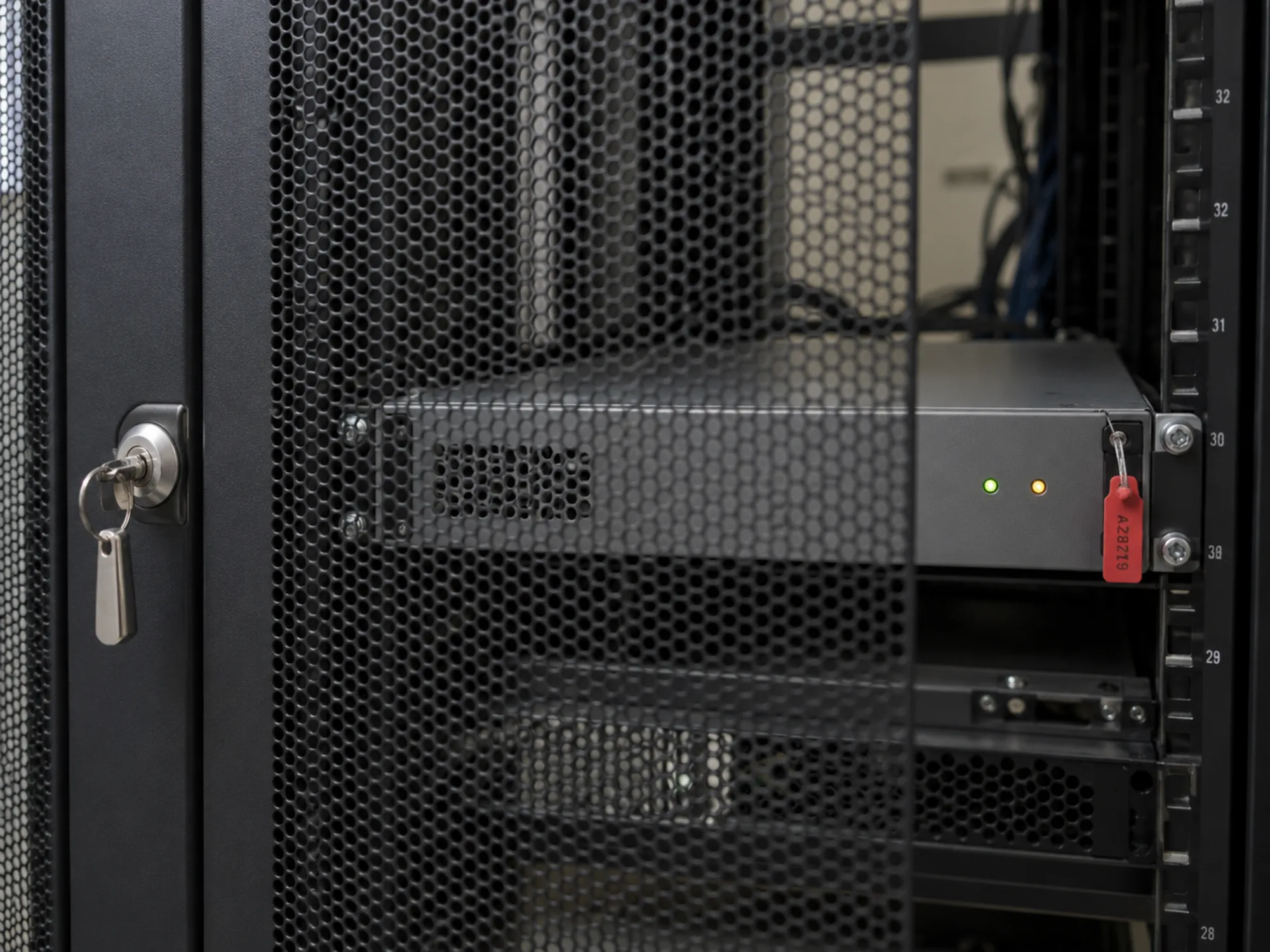
Custody of the tokens
A firm that holds stablecoins for clients in the EU provides custody and administration of crypto-assets under Article 75 of MiCA. The custodian signs an agreement with each client that sets out duties, responsibilities and its custody policy, keeps internal rules that limit the risk of loss through fraud, cyber threats or negligence, and returns client assets promptly. The crypto custody in Germany page covers the German side.
For e-money tokens a second license can apply. A firm that holds or transfers them for clients may need a payment services license next to its MiCA authorization; the Munich custodian Tangany holds one for this business, as the e-money tokens page explains.
Custody of the reserves
The money behind an e-money token is invested under Article 54 of MiCA: at least 30 percent in separate accounts at credit institutions, the rest in highly liquid instruments in the same currency. Those accounts and securities need a custodian. BNY is the primary reserve custodian for RLUSD from Ripple and runs the transaction banking that moves reserve cash for conversions.
Where the reserve sits is a risk in itself. When Silicon Valley Bank failed, part of the USDC reserve was stuck there; the stablecoin risks page tells the story. Providers of stablecoin as a service such as BitGo reconcile reserve assets daily and offer proof of reserve.
Keys and controls
Custodians protect keys with hardware security modules or multi-party computation, approval workflows and role-based access, as Stripe describes. A company that holds stablecoins itself saves the custody fee but carries the risk of a lost key or a weak approval process. A proof of reserve shows holders what backs the token, and the page on it explains what such a proof leaves out.
Upcoming events on stablecoins and custody
Finance Loop and stablecoin custody
Finance Loop is the meeting place for custody, operations and treasury people at banks and fintechs. The Crypto Assets Conference in Frankfurt, which Finance Loop has partnered with, covers custody next to tokenization and market infrastructure. AllUnity, issuer of the euro stablecoin EURAU, hosts Capital & Code with Finance Loop as media partner.
Payments & Digital Money
Investment & Digital Assets
Risk & Compliance
What is stablecoin custody?
Stablecoin custody means either the safekeeping of stablecoins for clients by a licensed custodian, or the safekeeping of the reserve assets that back a stablecoin by a bank. The first falls under MiCA, the second under banking law and the issuer's reserve rules.
Who holds the reserves of a stablecoin?
The issuer chooses the banks and custodians that hold its reserves. Under MiCA at least 30 percent of the funds for an e-money token sit in separate bank accounts; BNY, for example, is the primary reserve custodian of RLUSD.
Stablecoin custody and Finance Loop
Finance Loop covers stablecoin custody in its Investment & Digital Assets track and reserve management in Payments & Digital Money. Finance Loop is media partner of Capital & Code, hosted by the euro stablecoin issuer AllUnity in Frankfurt, and partner of the Digital Euro Association.
Finance Loop is a professional network supporting the institutional use of emerging technologies in finance, such as AI, digital payments, cloud and blockchain solutions. Finance Loop helps its members build skills and personal networks in these fields: Investment & Digital Assets, Payments & Digital Money, Digital Infrastructure & Sovereignty, and Risk & Compliance.